 June
13
June
13
Tags
Birds of Ngorongoro and the Serengeti Plains of Tanzania, East Africa.
I’d like to start by giving credit to Raymond Kelso and Diane Foucher of the Pleistocene Society and all the staff of Tembo Adventure and Safari, Ltd., for the enormous amount of work they put into a great photo safari in Tanzania, Africa.
Lions, Zebra, Wildebeest, Gazelles, Landscapes, Flowers, Cheetahs, Dung-Beetles, and Birds are just some of the more than 2,000 digital images I captured over the sixteen-day adventure. If you’ve already skimmed my blog, you know that this was my second photo safari into Africa. I did less than a poor job of snapping photos of birds on the first and I determined to do a better job this time. I would liked to have added all the more than 1,400 birds of Tanzania, but alas….
My images won’t match up to the standards of the Audubon Society or National Geographic. I make no excuses, I’m just not a professional wildlife photographer with deep pockets. In some instances, the shooting conditions were poor. Like the first photo of the vulture in the tree. Probably 150 meters away. Max (135mm) zoom. Overcast sky. Primary light behind the subject. With the help of Photoshop CC, I tricked some of the images out.
Please note: All the images are my copyright. If you use them for any purpose without my permission, you are a thief. If that statement upsets you, so be it.
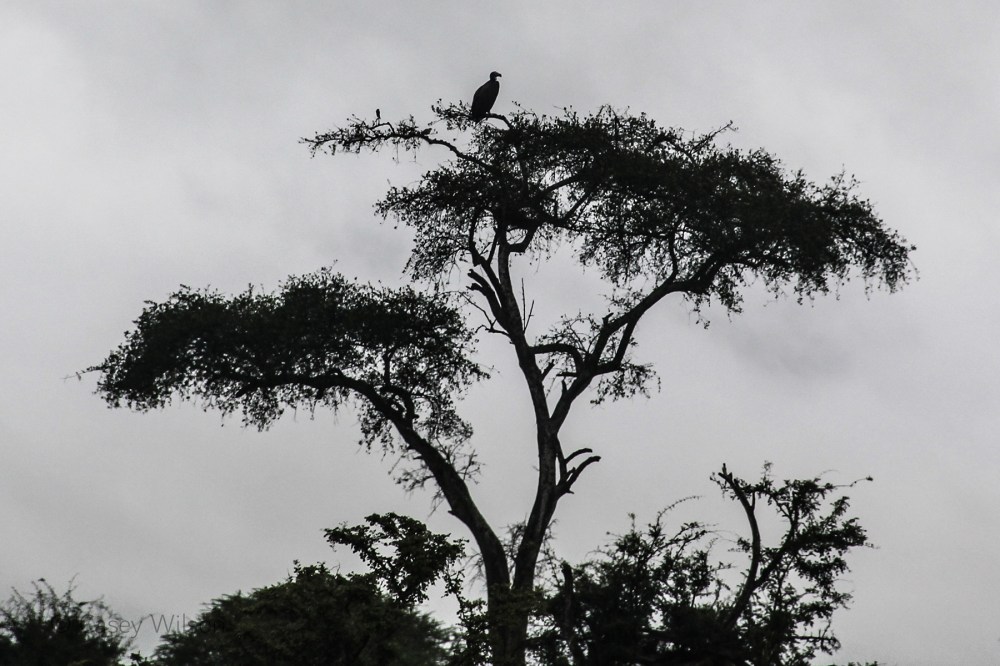
A Vulture in an Acacia Tree
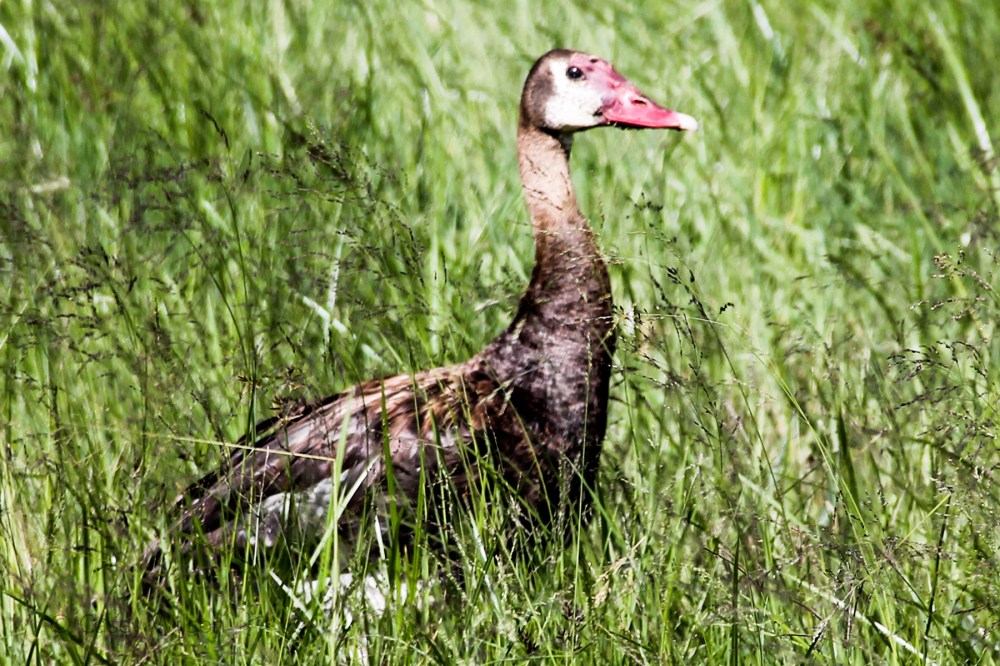
White-faced Whistling Duck
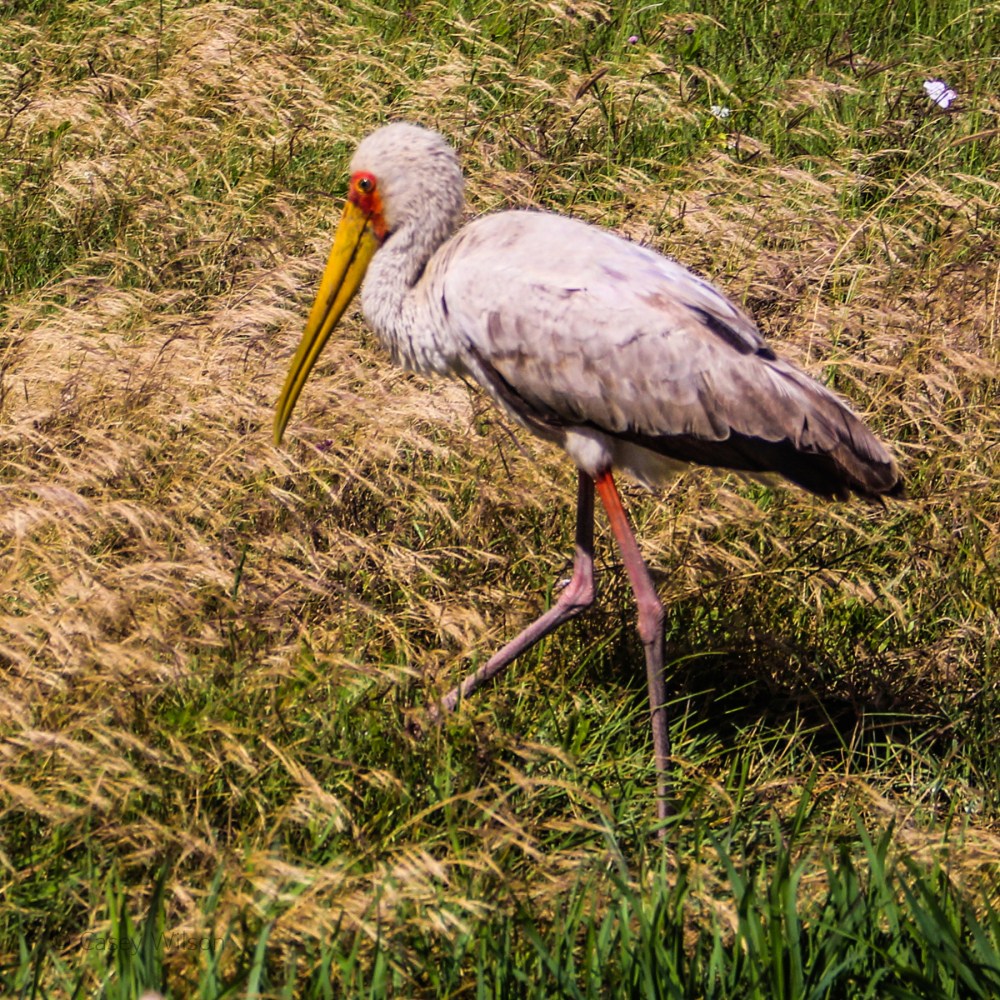
Yellow-billed Stork
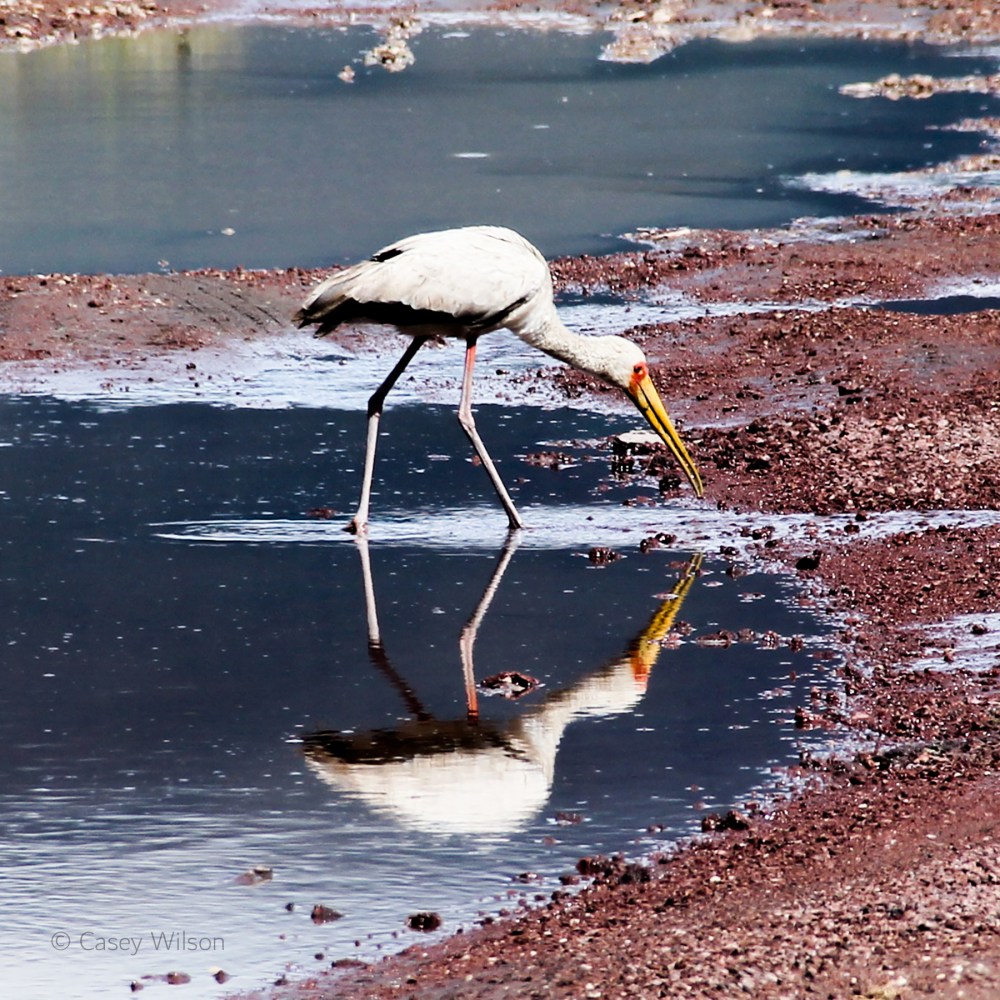
Yellow-billed Stork
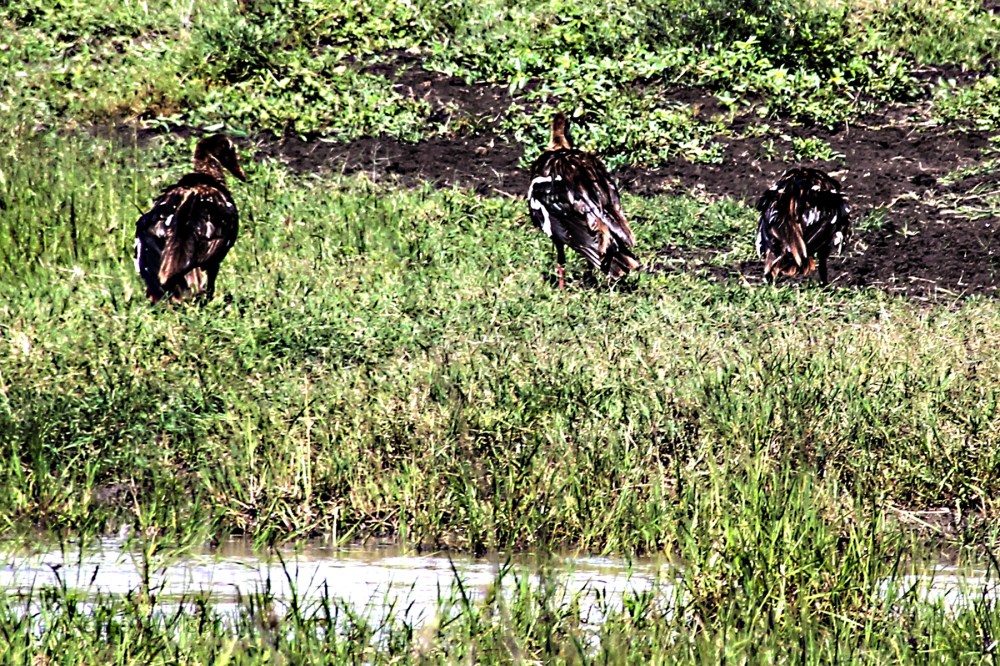
Abdim’s Stork
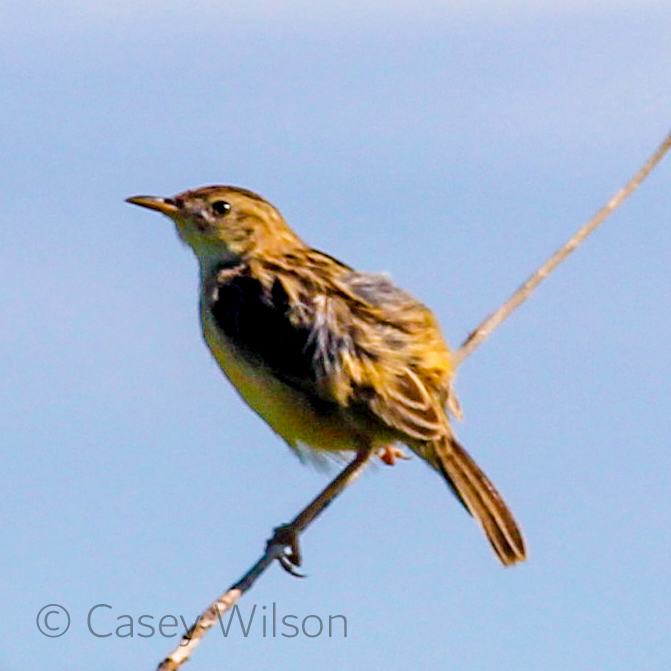
Zitting Cisticola
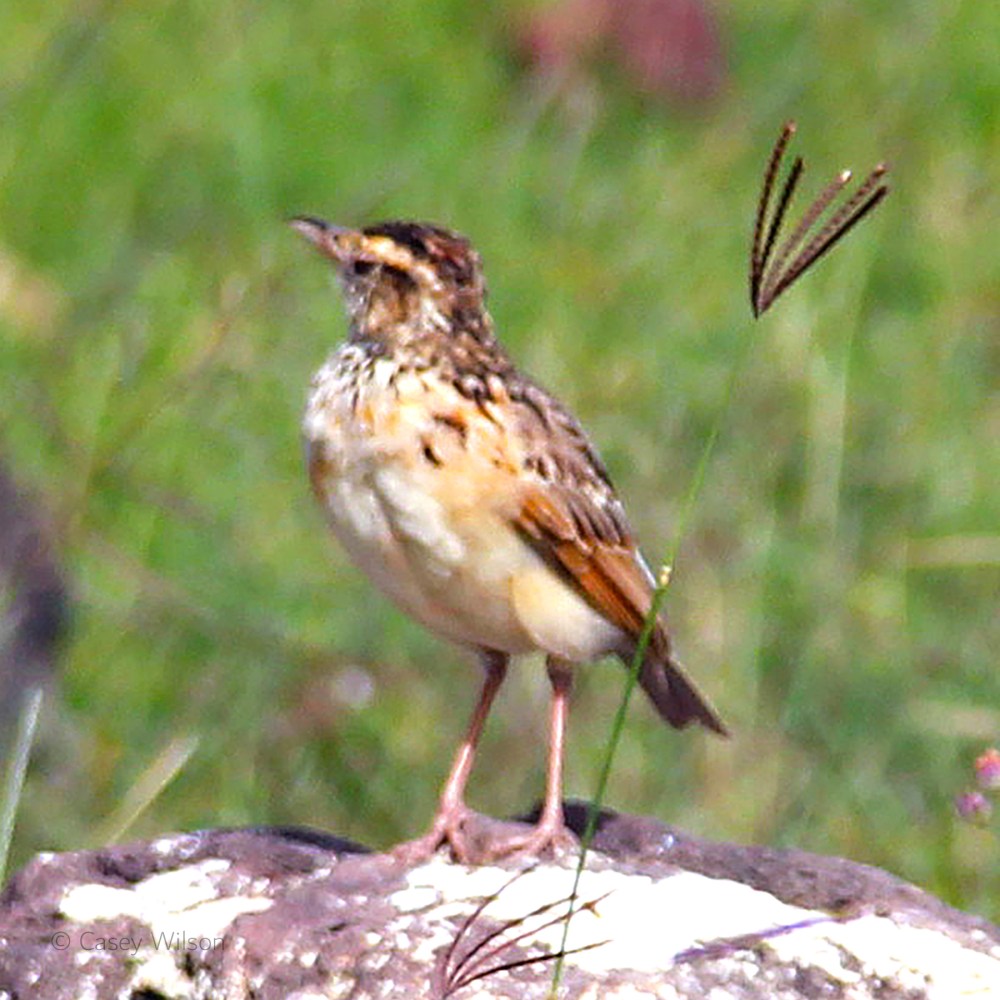
Yellow-rumped Seedeater
Averaging around four inches from beak to tail-tip, this was the smallest bird I came across.
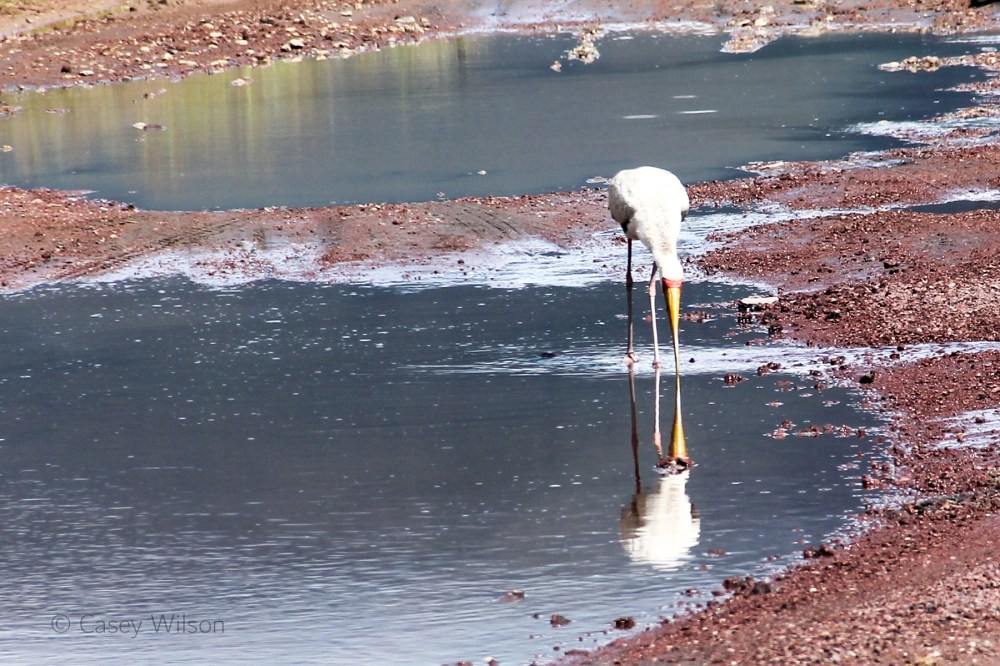
Yellow-billed Stork
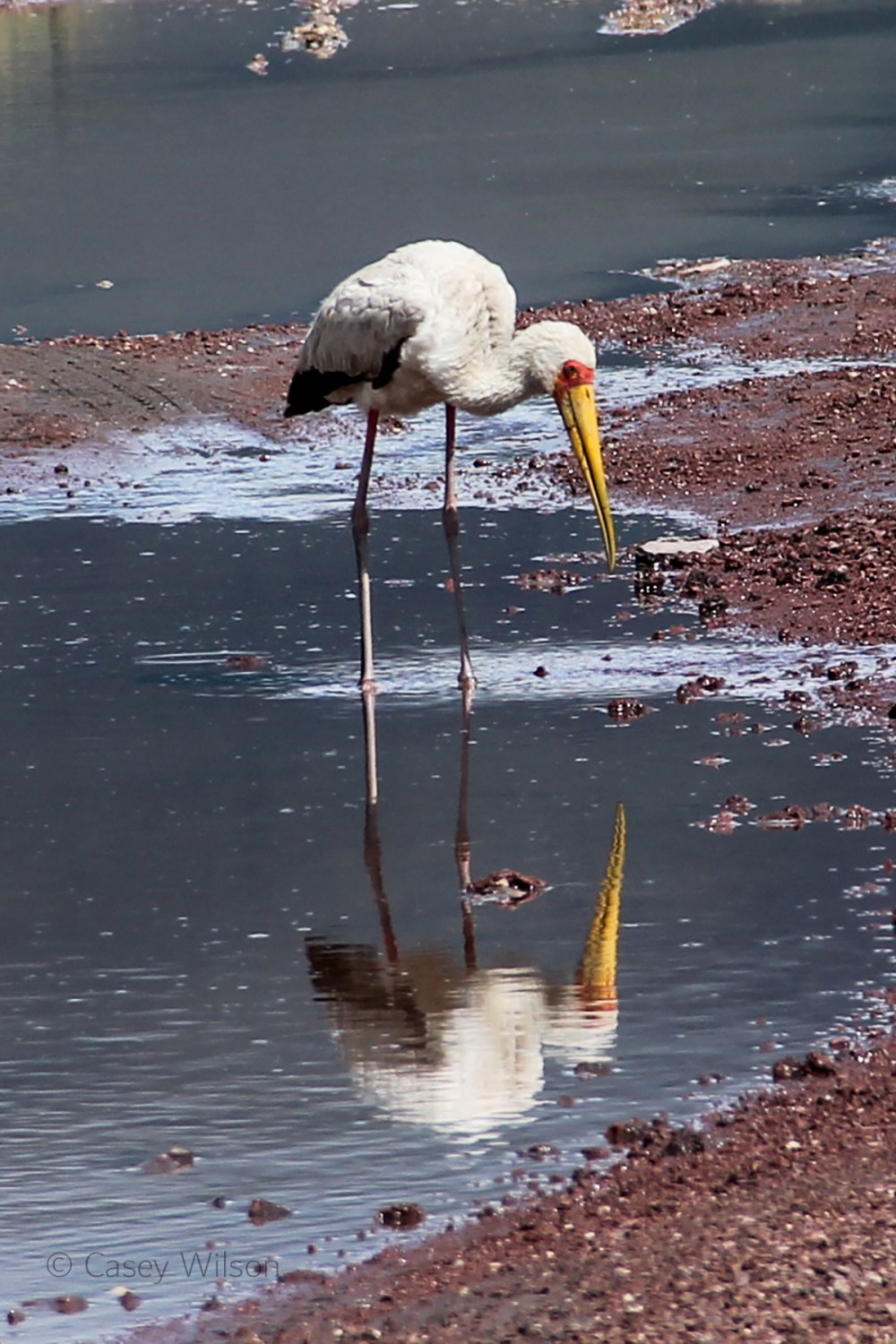
Yellow-billed Stork
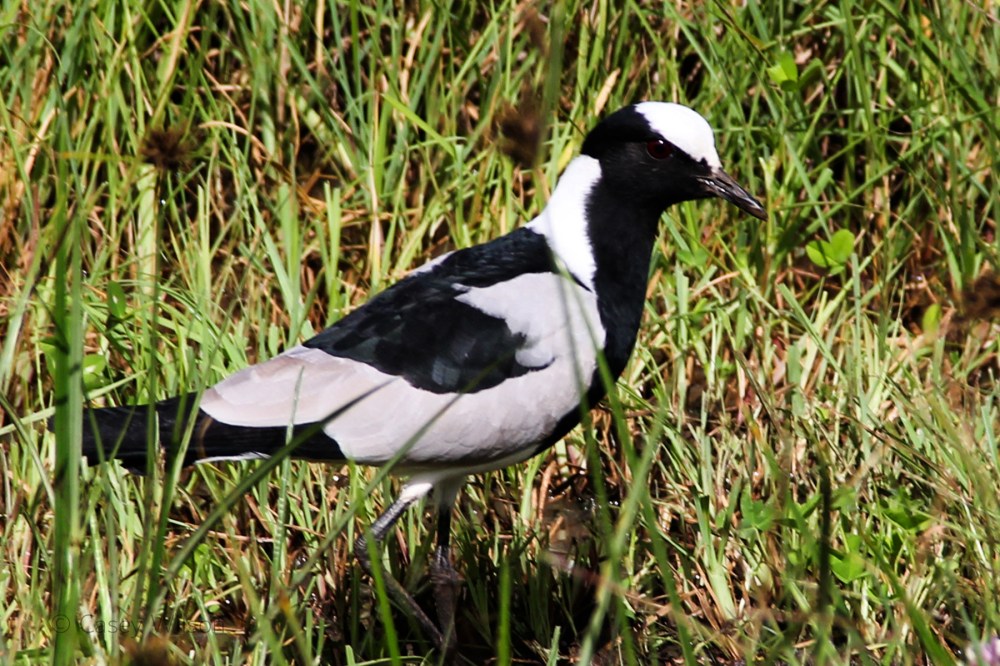
Blacksmith Lapped-wine Plover
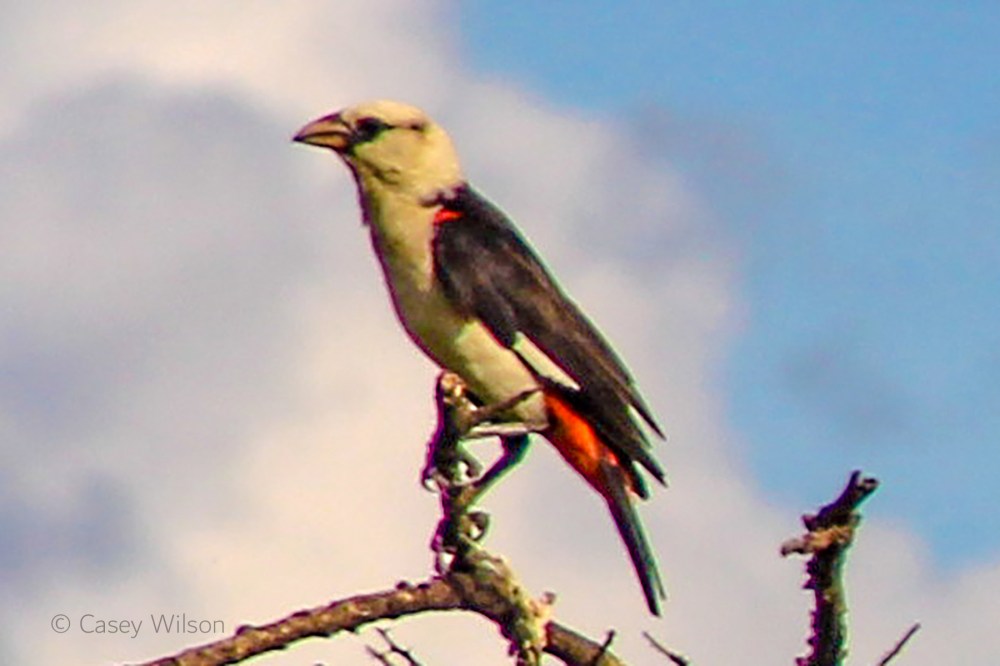
White-headed Buffalo Weaver
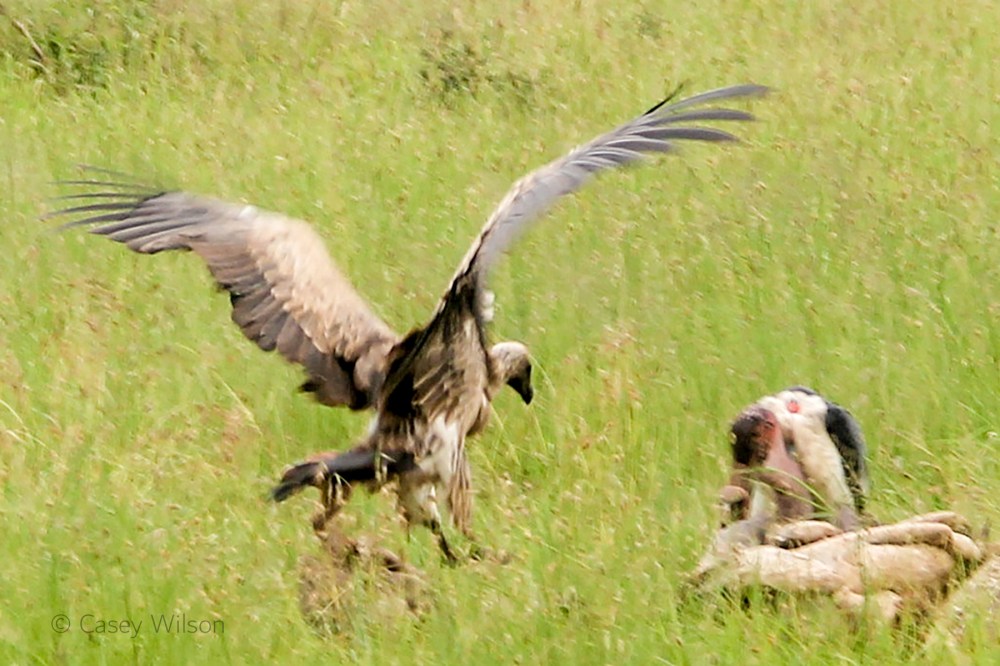
Wake of Vultures
When vultures gather at a carrion site for a (disgusting) feast, it is called a wake. In the pictues below, the wake had been startled in flight. They were back in less than a minute.
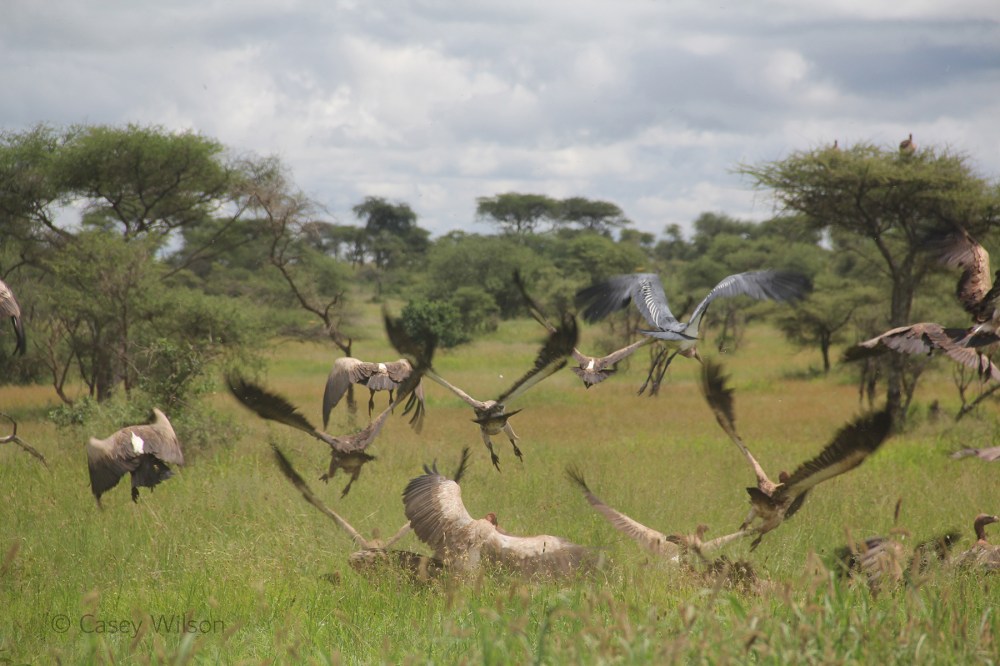
Wake of Vultures
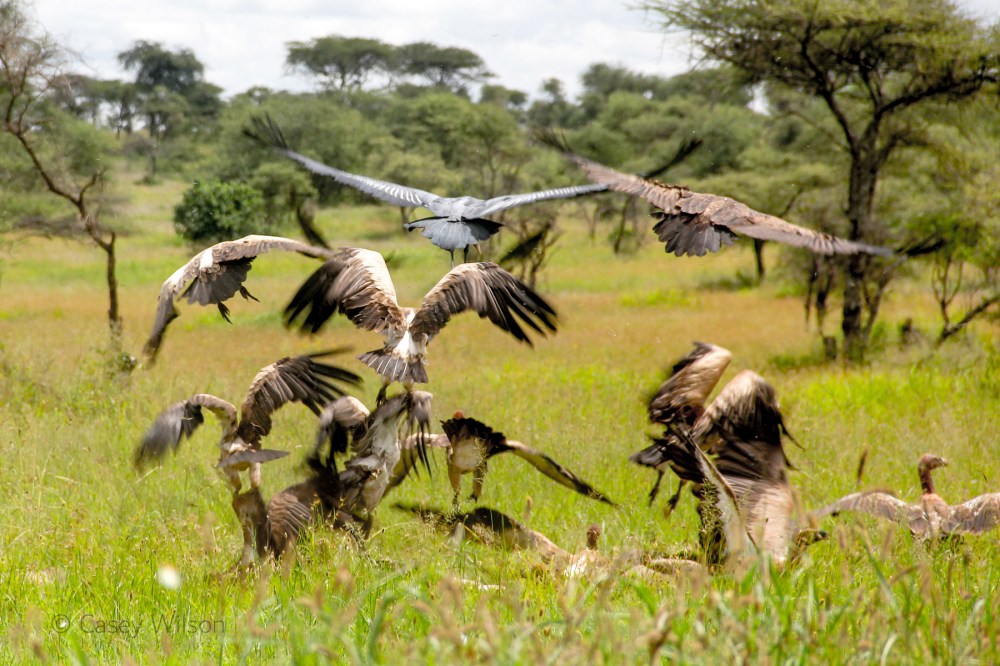
Wake of Vultures
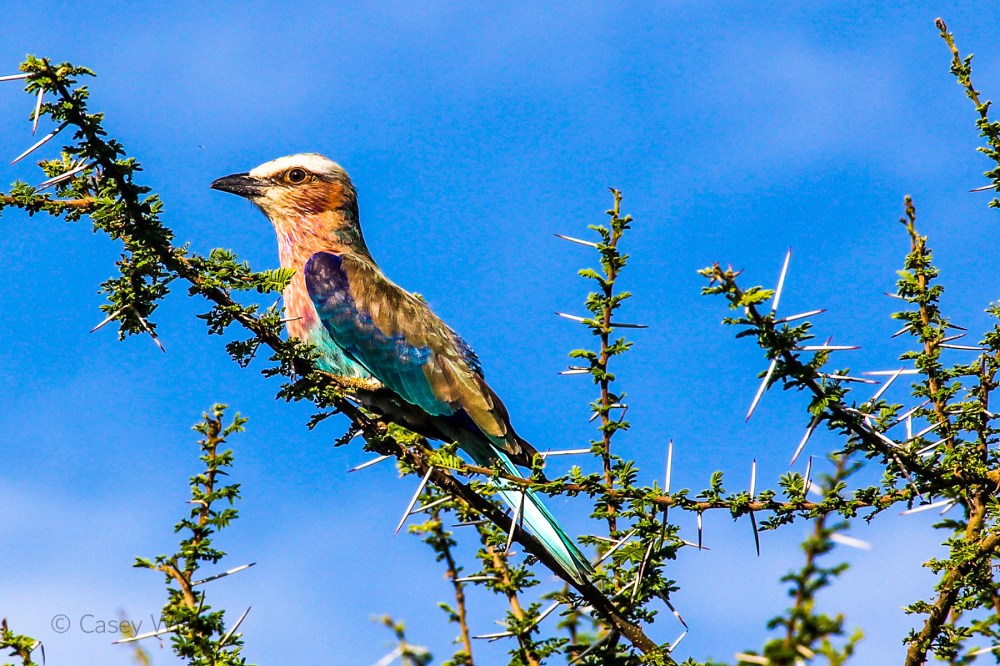
?? Unknown
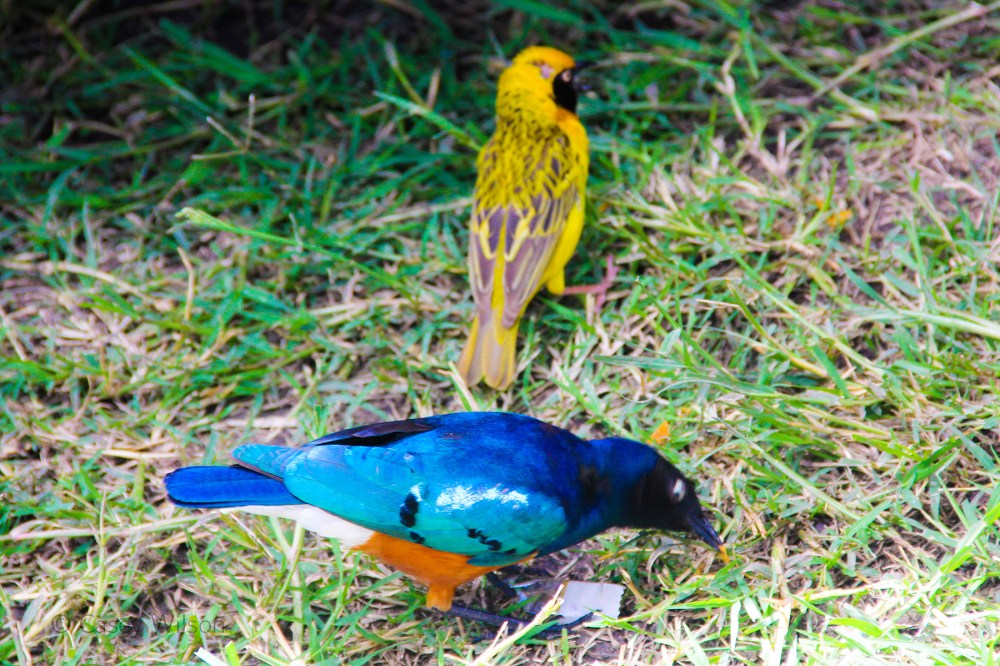
Superb Starling & Speke’s Weaver
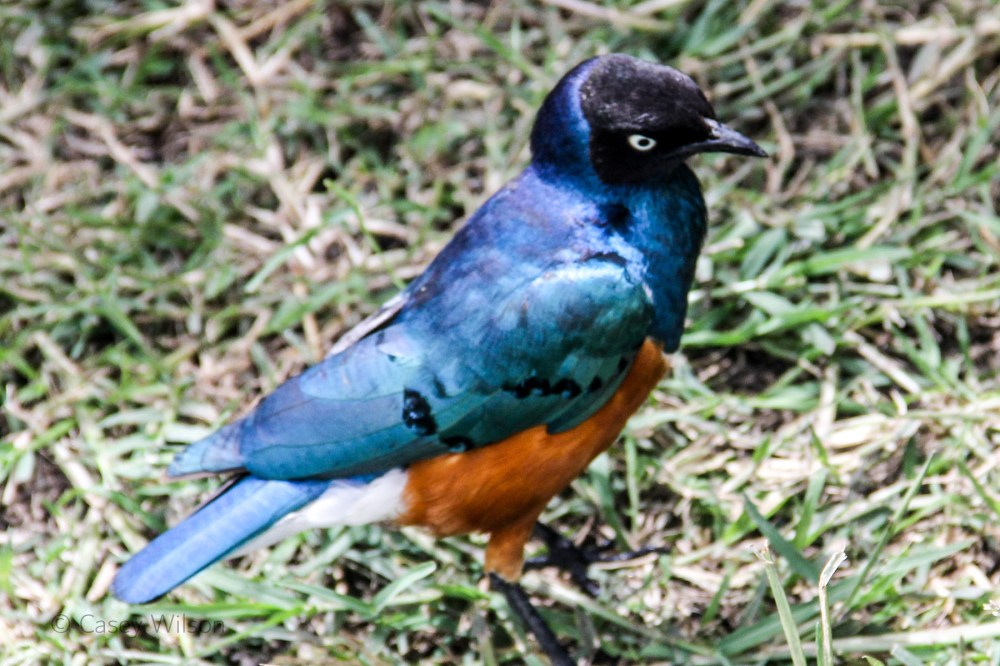
Superb Starling
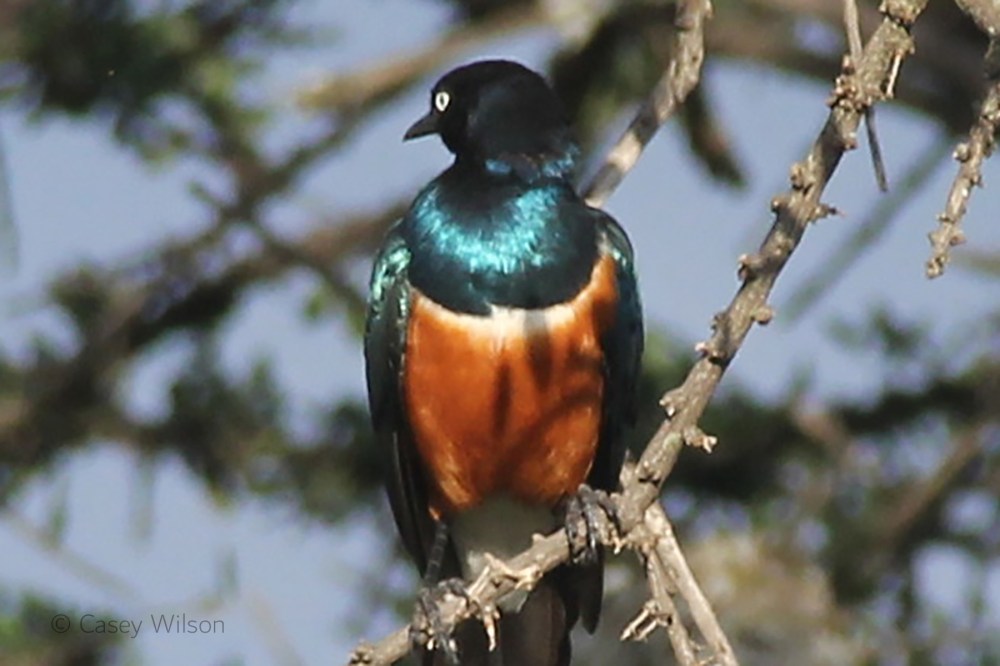
Superb Starling
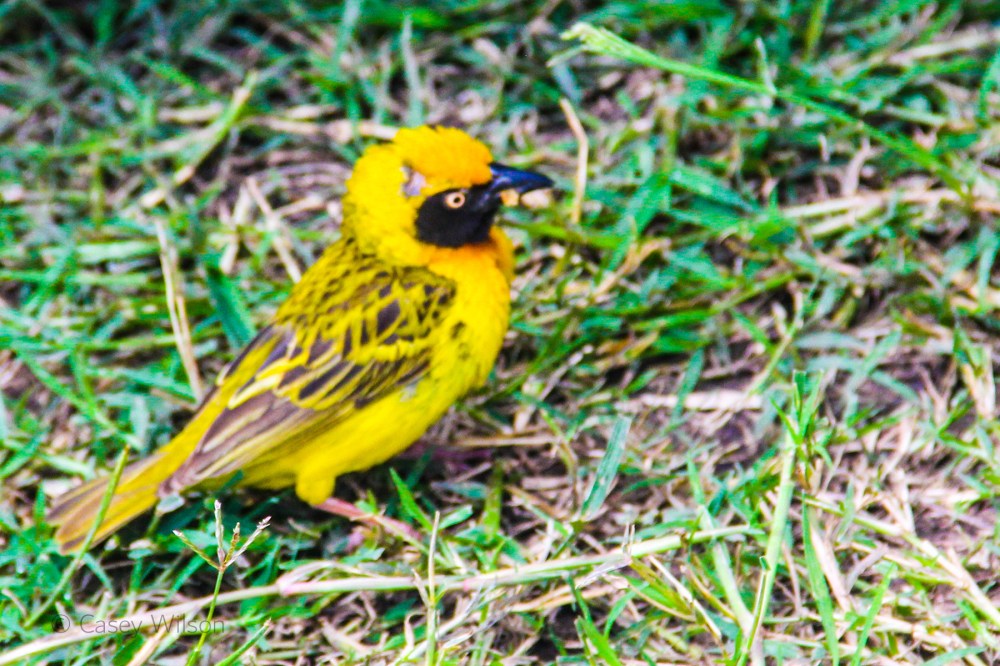
Speke’s Weaver
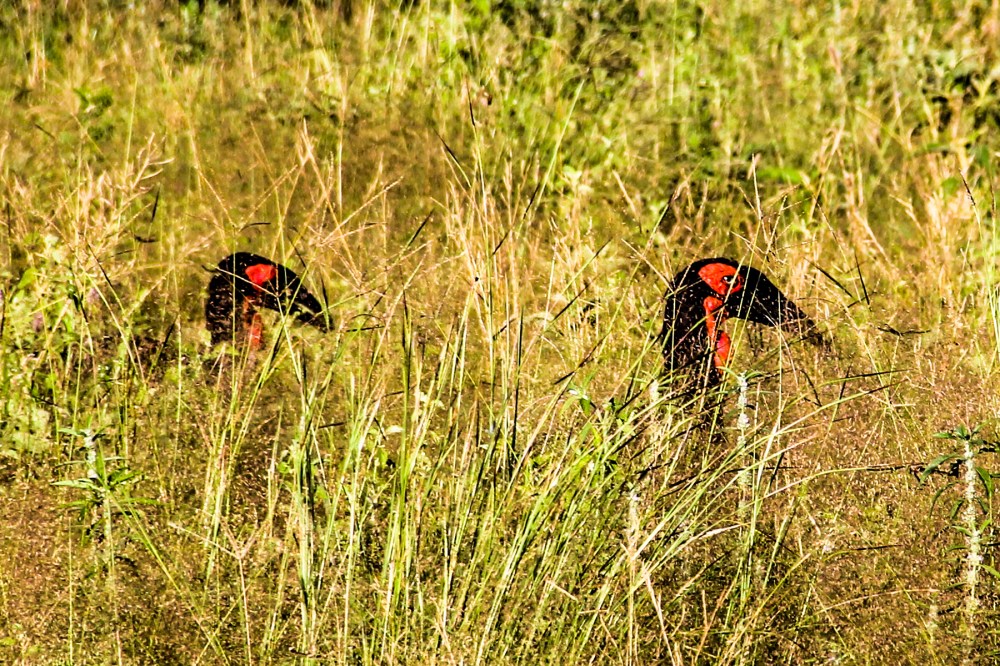
Southern Ground Hornbill
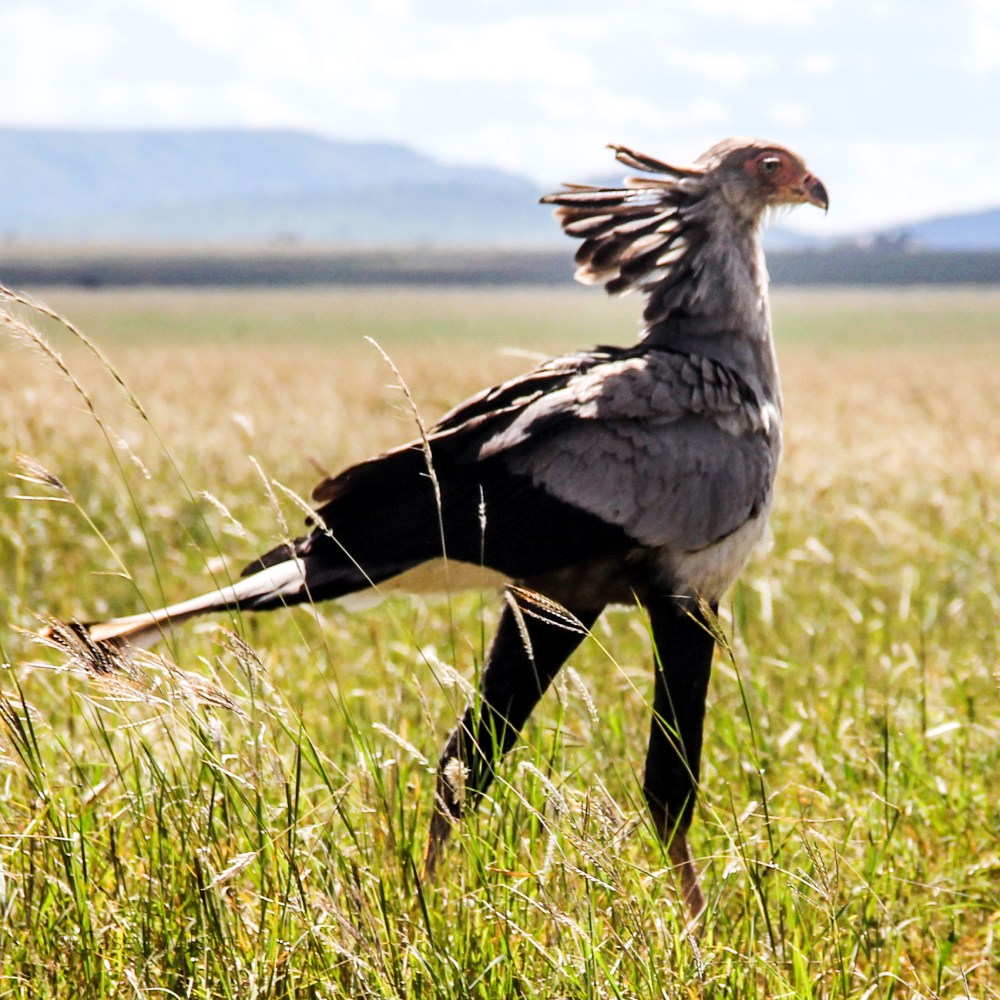
Secretary Bird
According to one of our safari guides (thanks, Peter) the Secretary Bird’s main diet consists of snakes. Literature says it kills its prey by stamping on it. This is Tanzania’s National Bird.
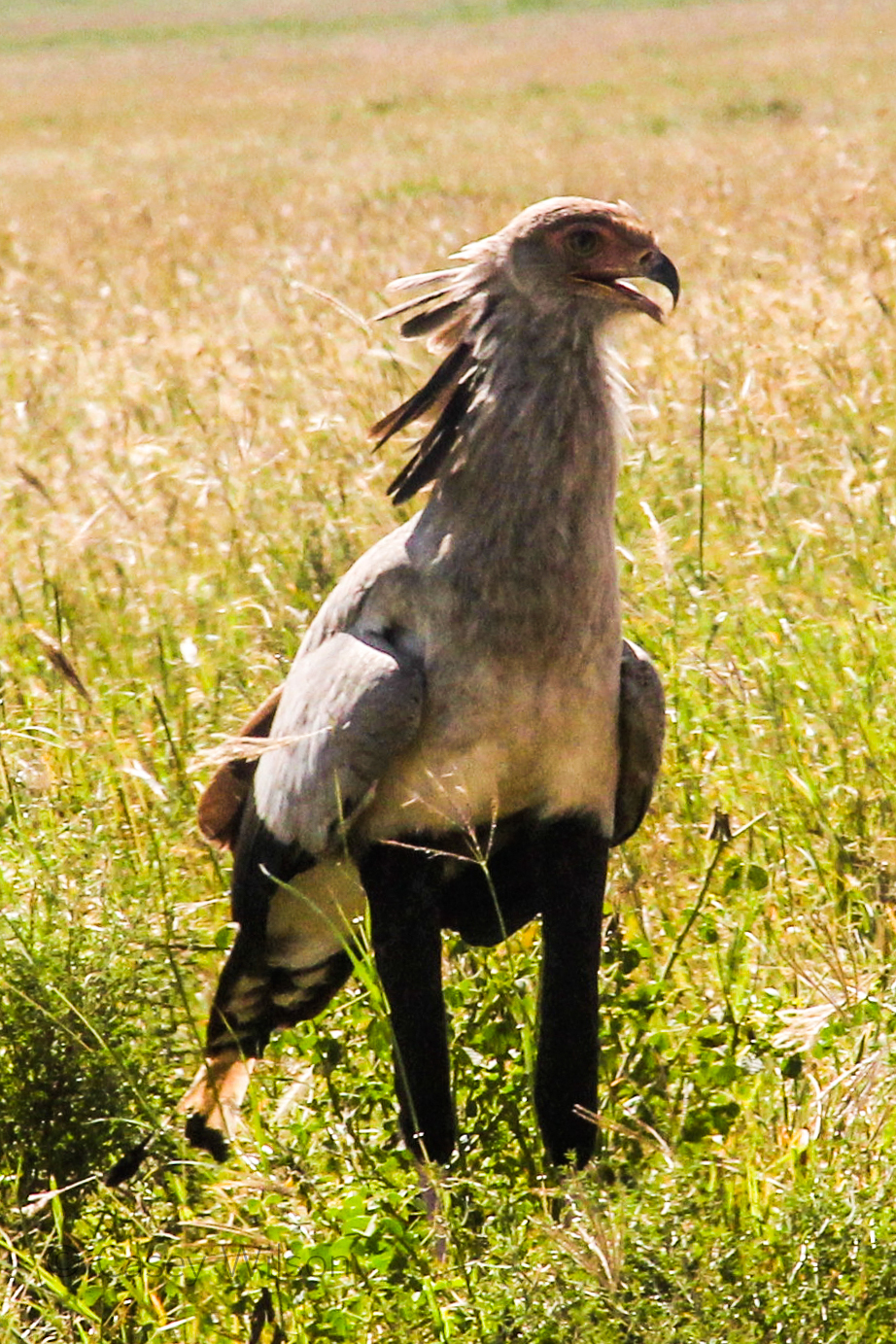
Secretary Bird
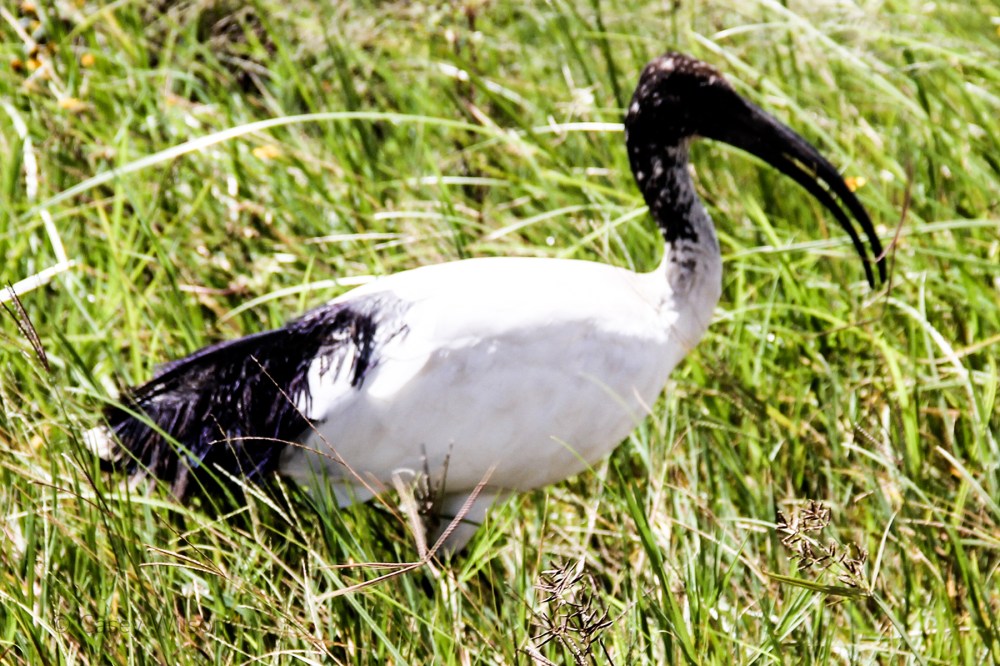
Sacred Ibis
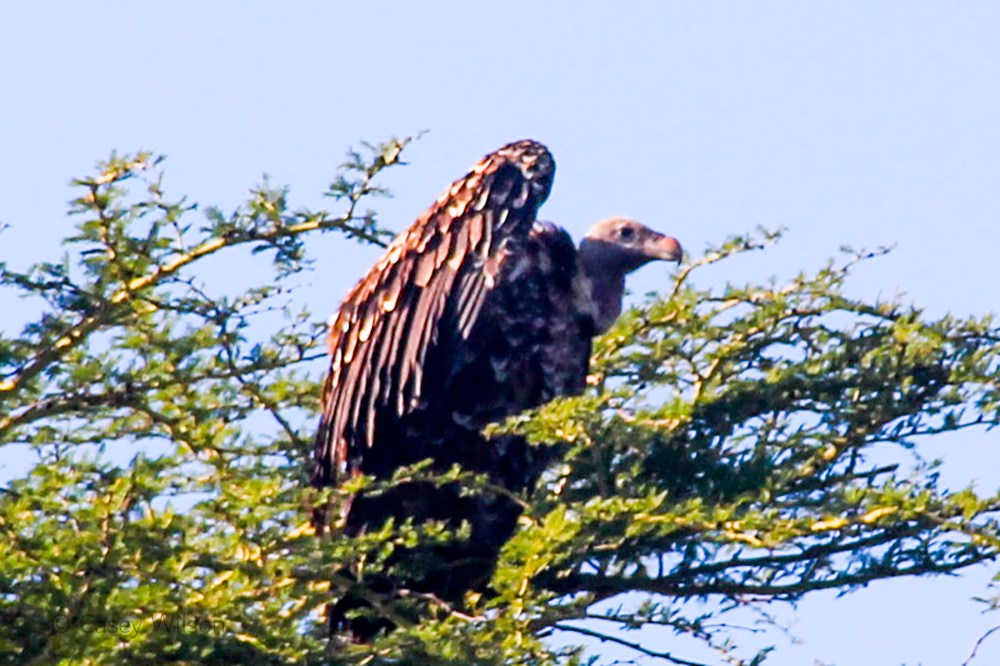
Ruppell’s Vulture
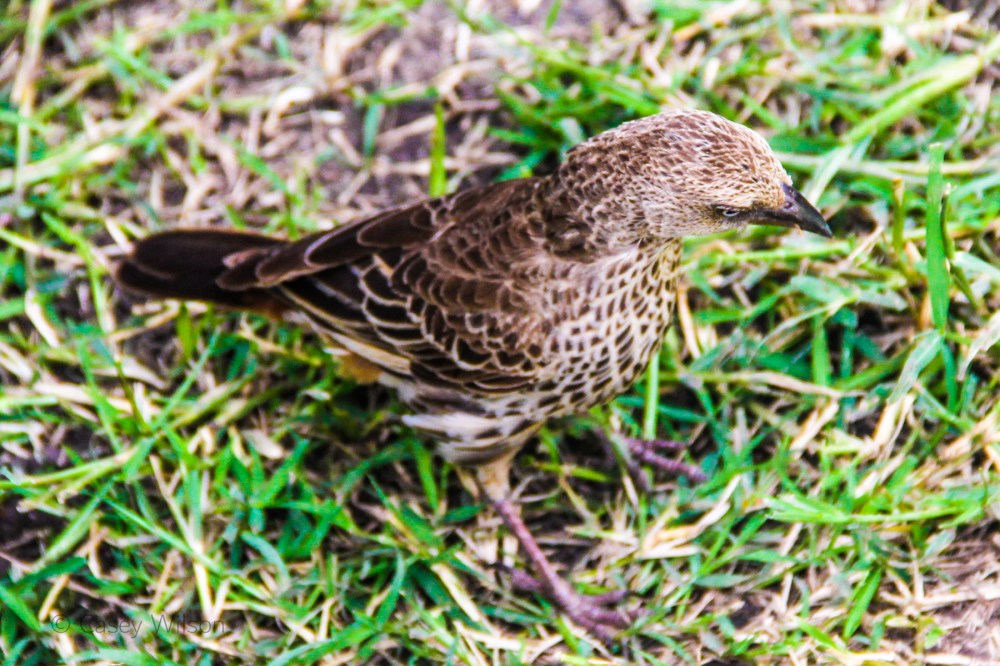
Rufous-tailed Weaver
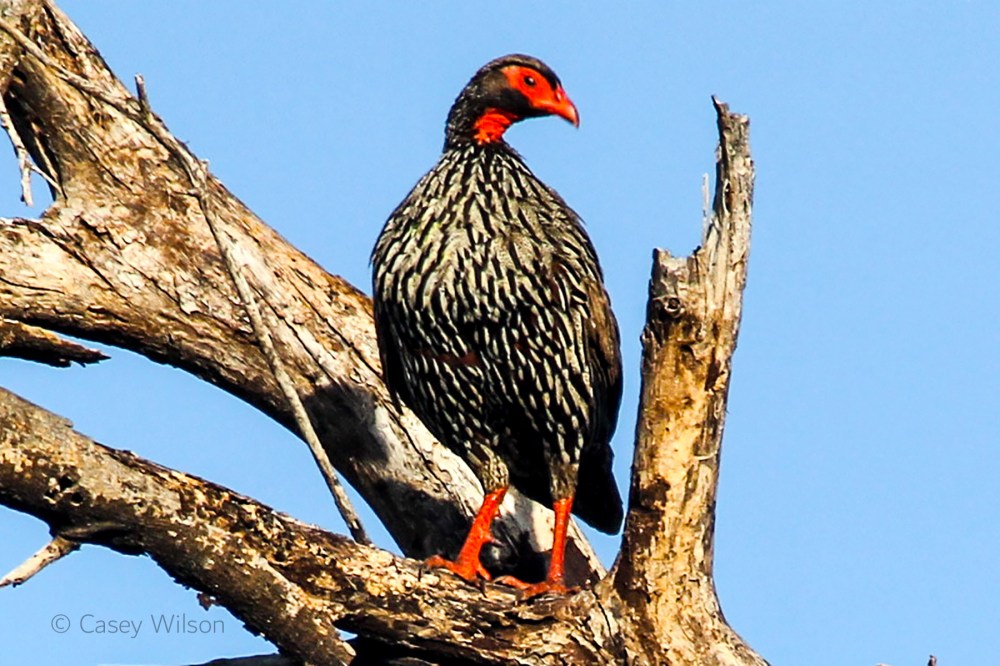
Red-necked Spurfowl
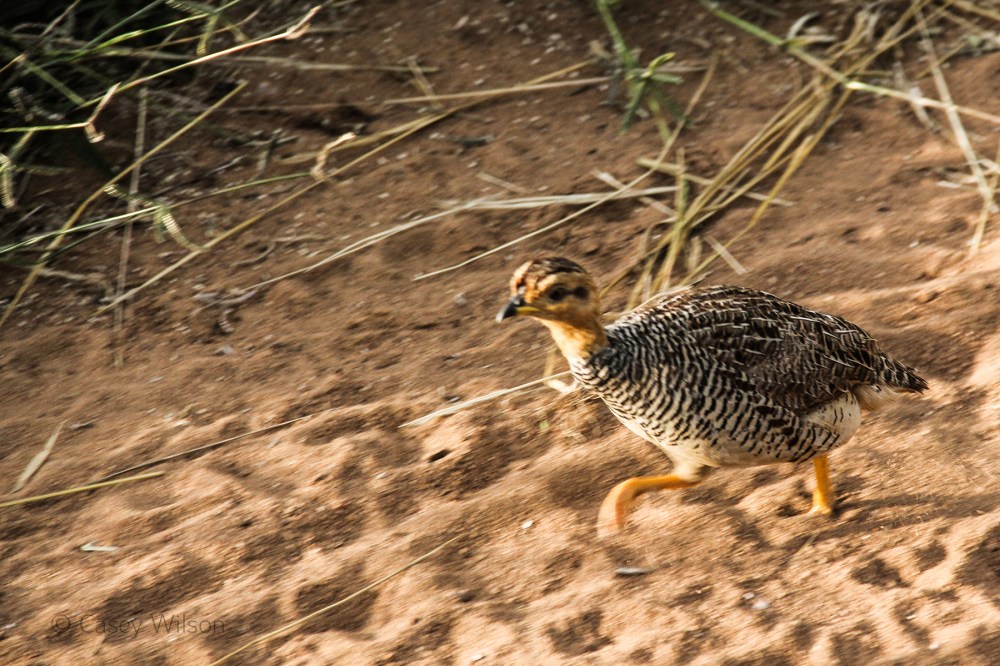
Red-necked Spurfowl Chick
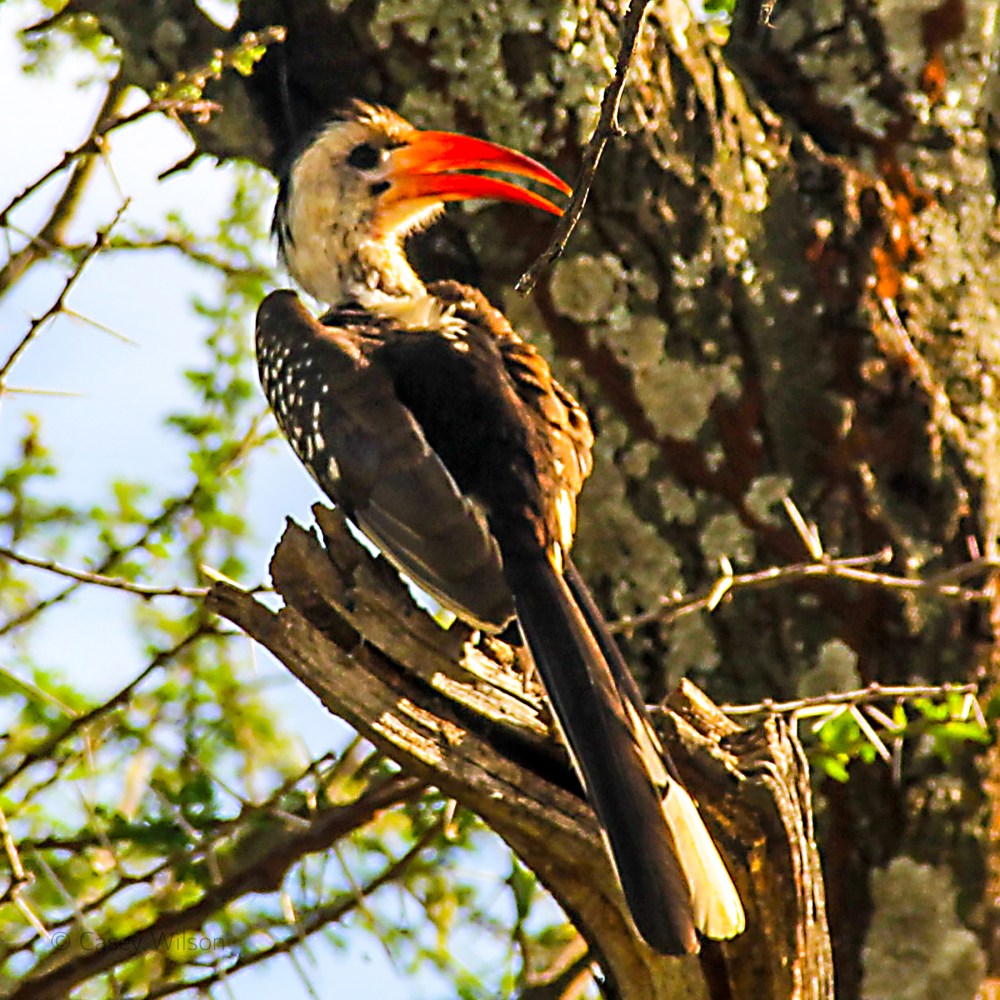
Red-billed Hornbill
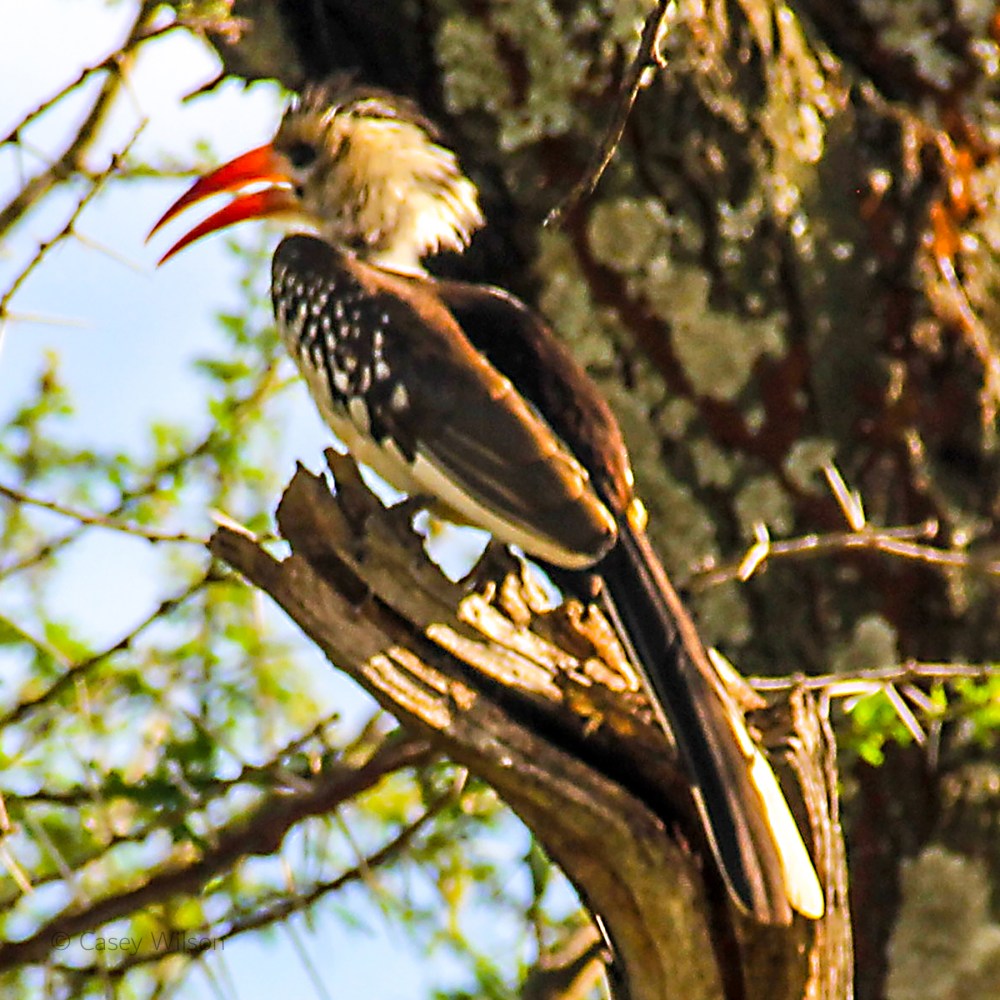
Red-billed Hornbill
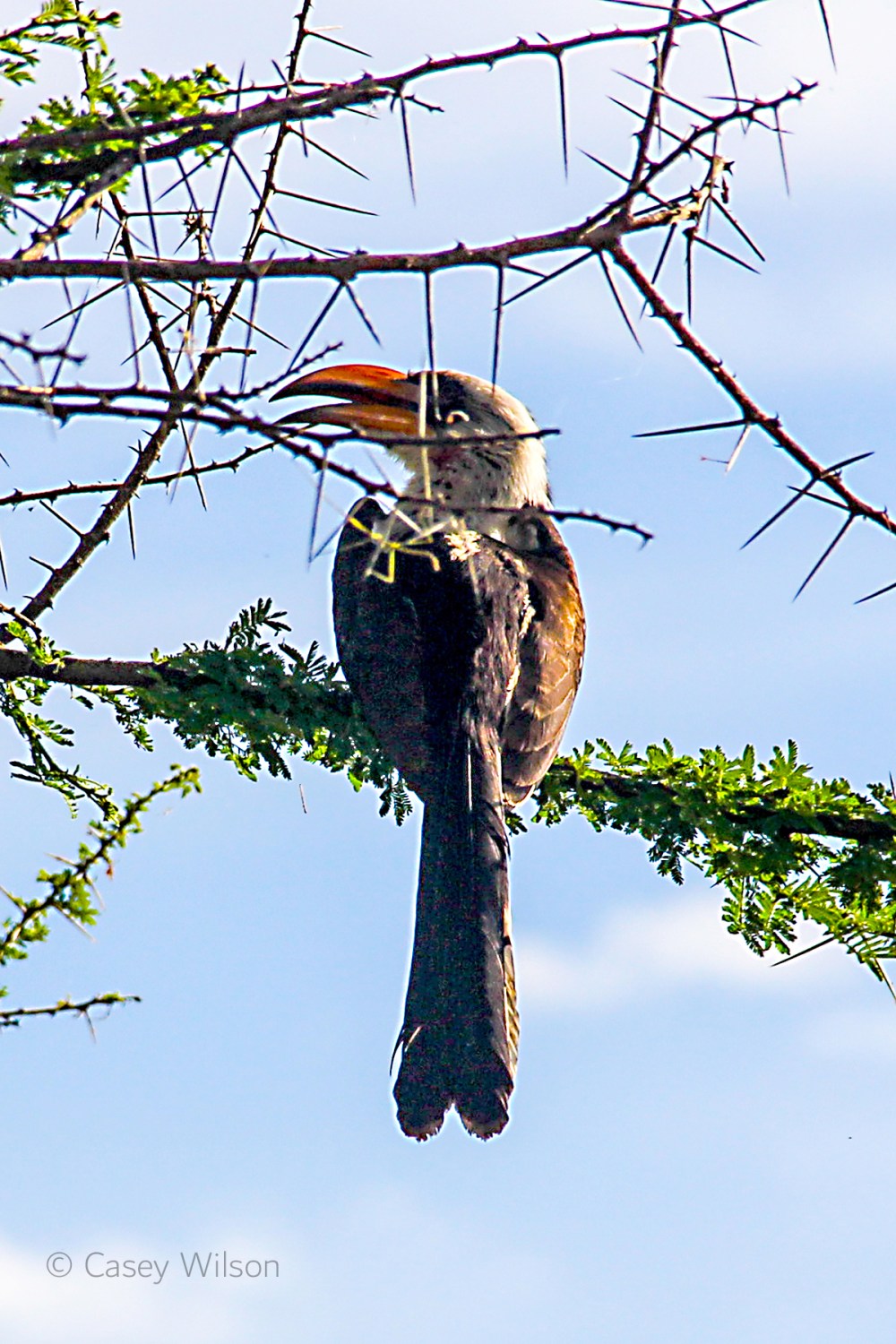
Red-billed Hornbill
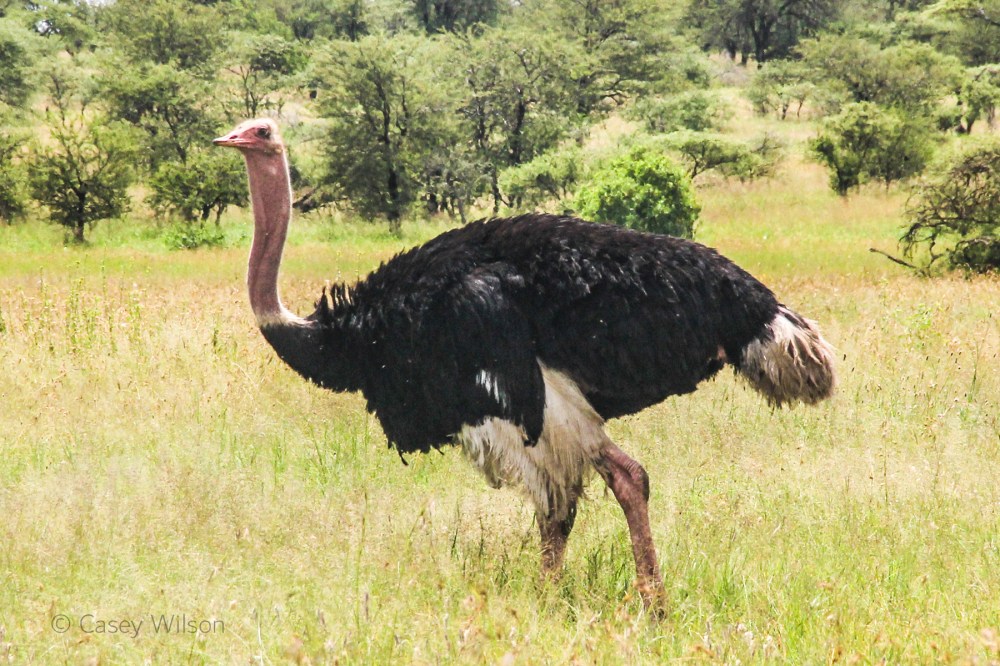
Ostrich(M)
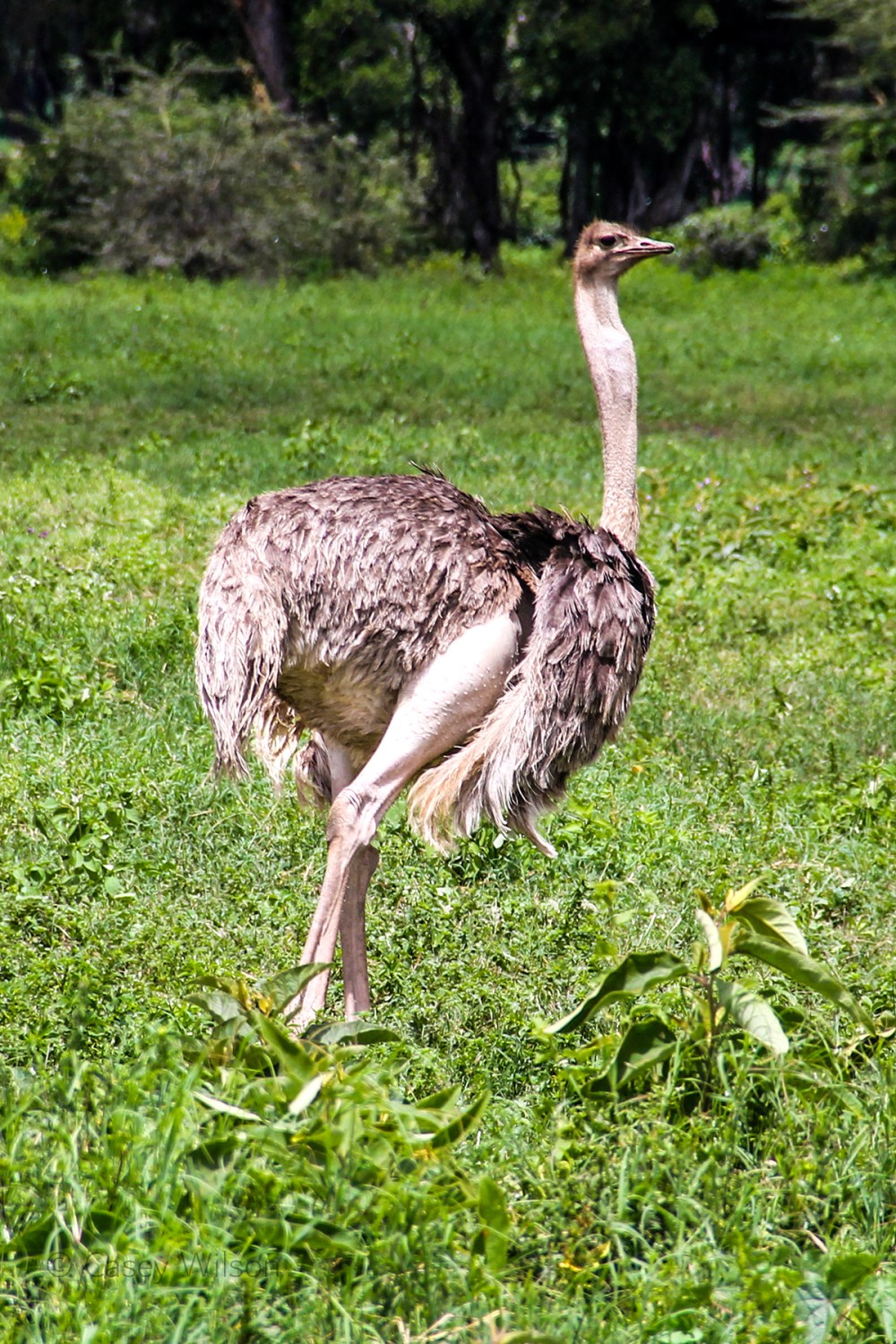
Ostrich(F)
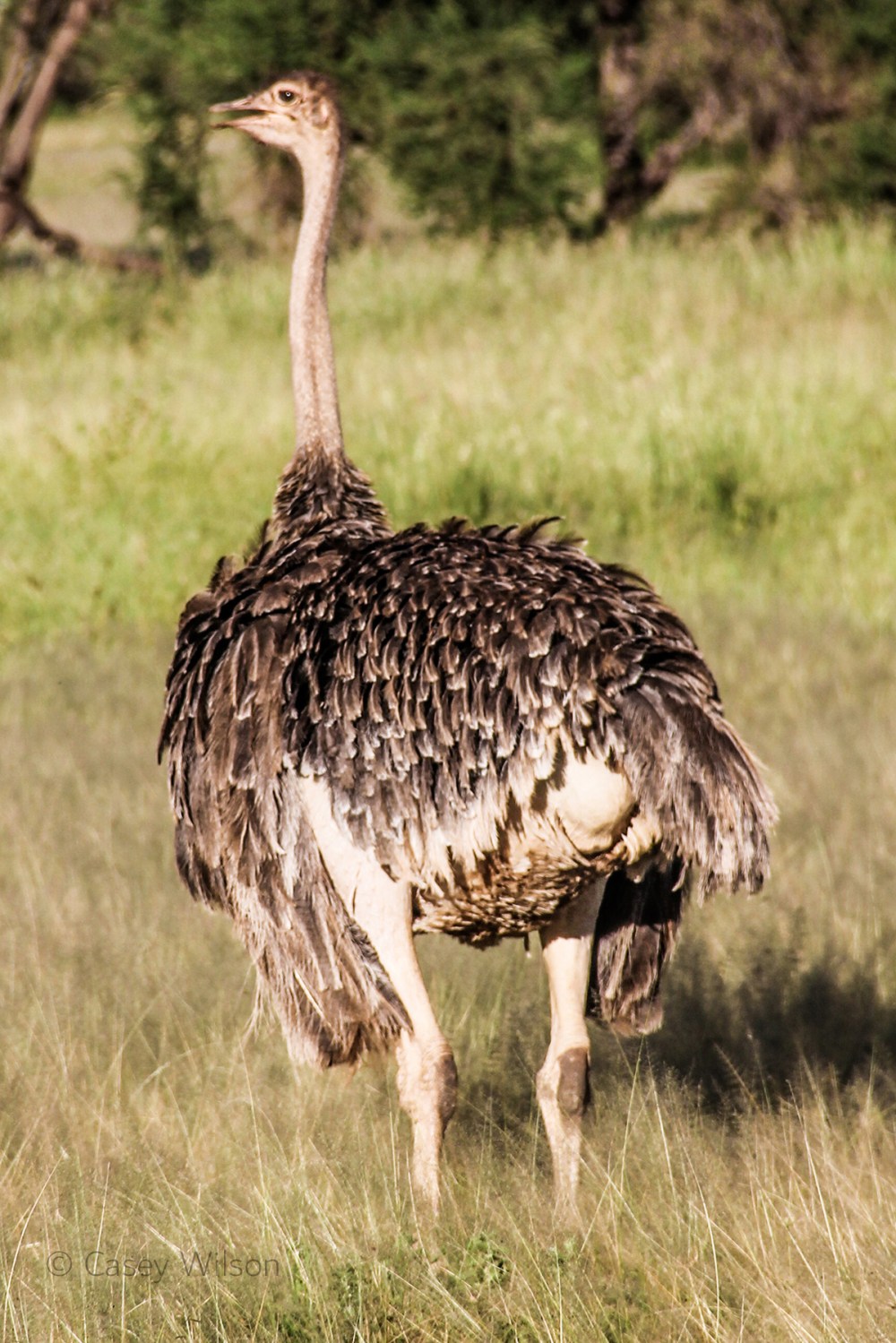
Ostrich(F)
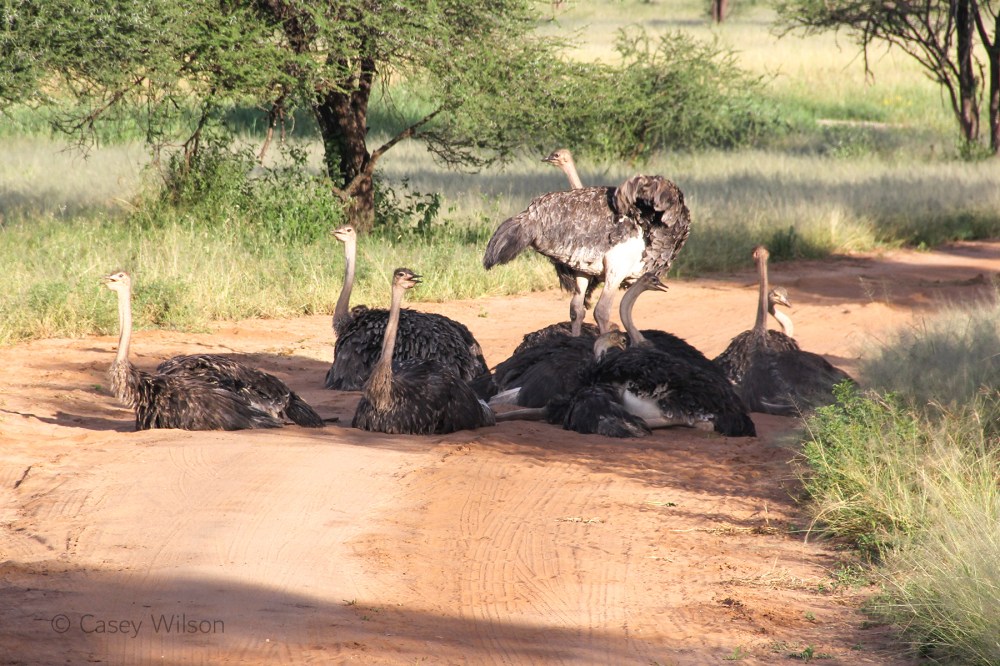
Ostrich Flock
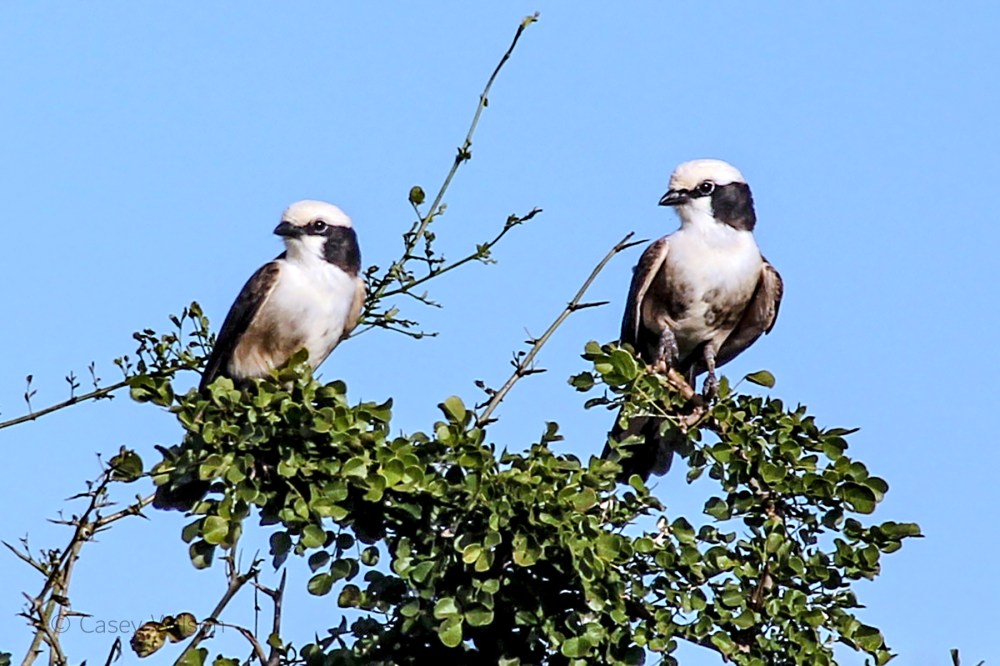
Northern White-crowned Shrike
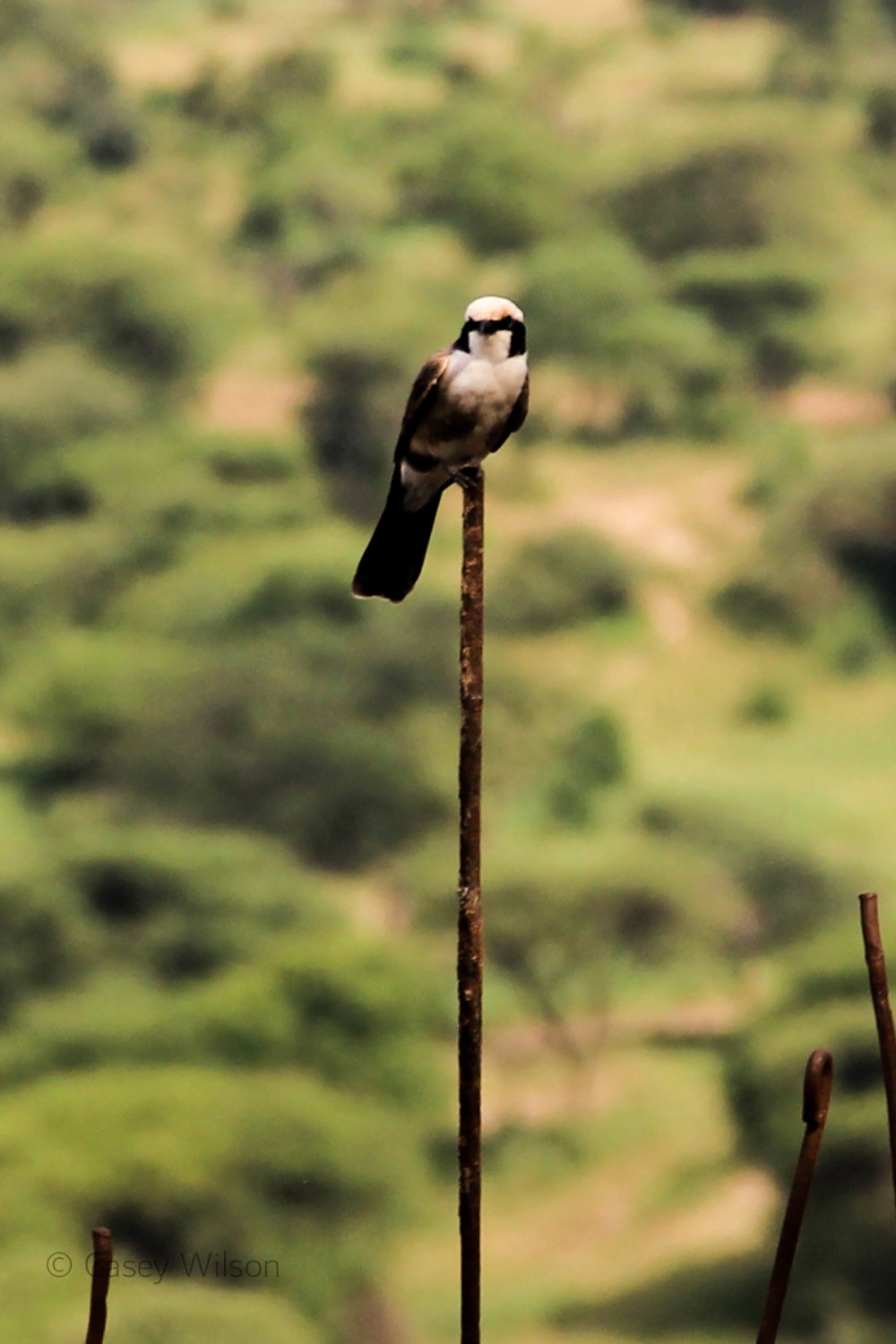
Northern White-crowned Shrike
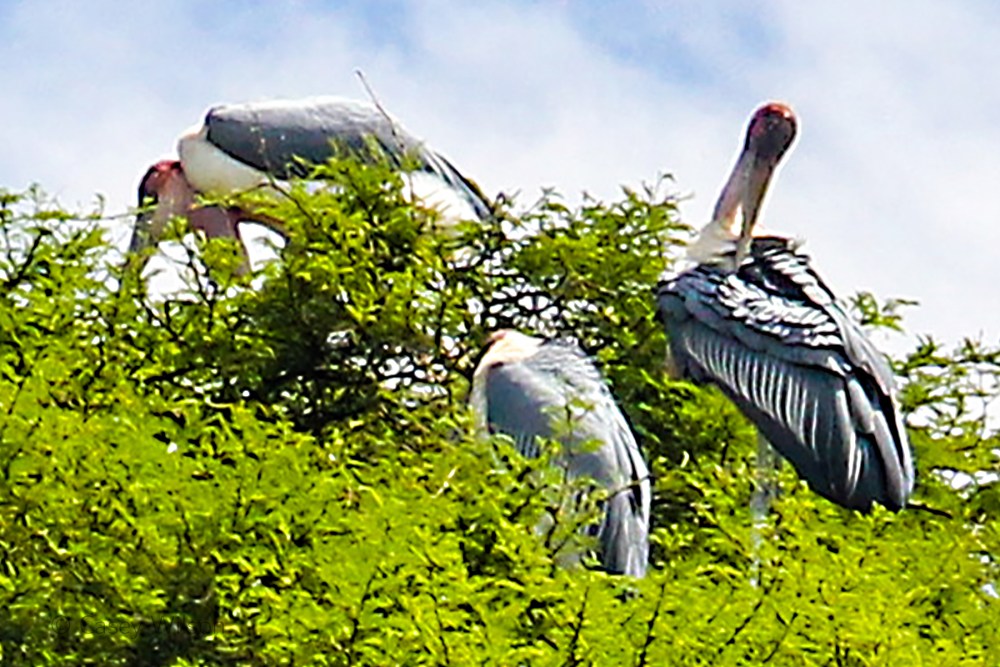
Marabou Storks in Acacia
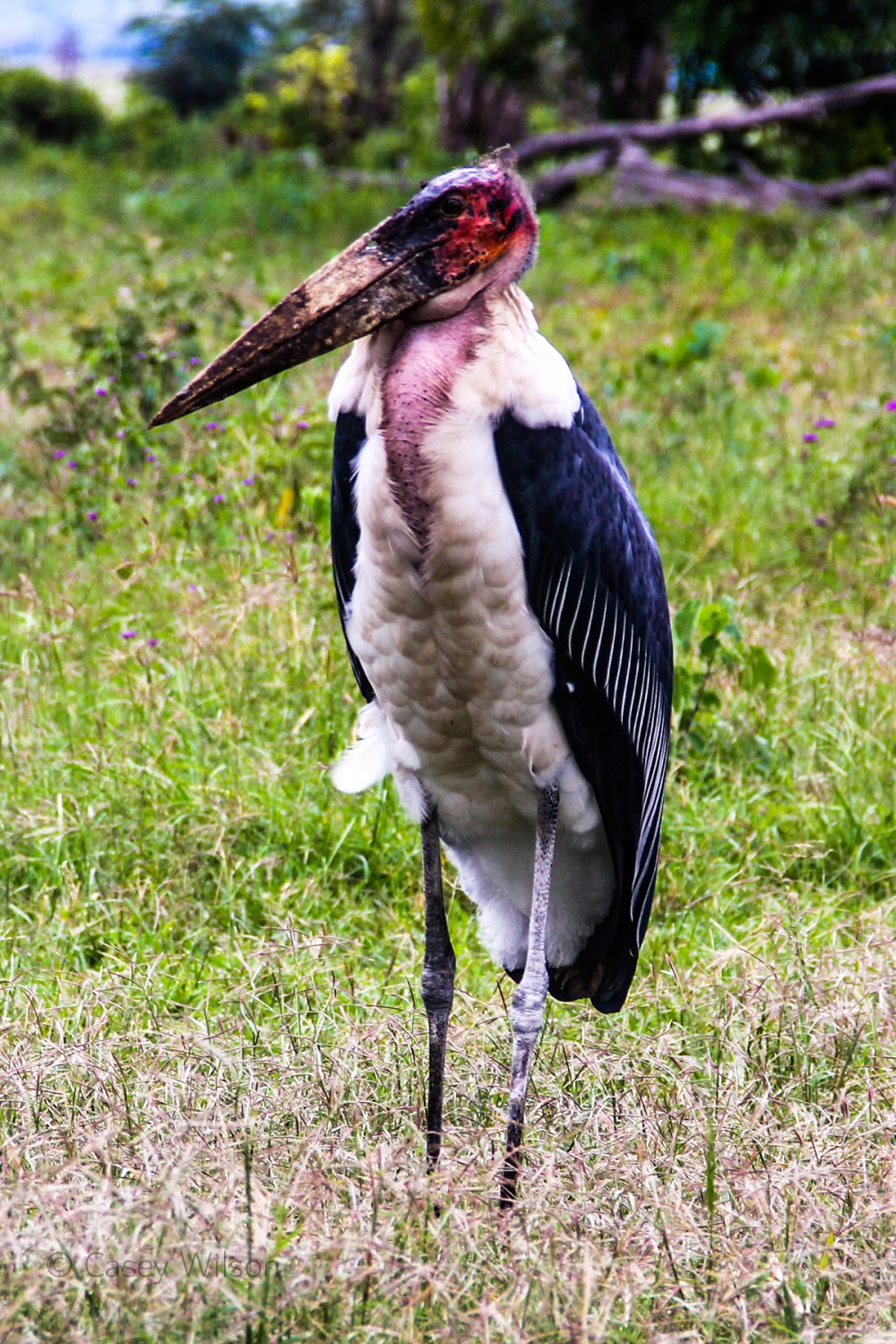
Marabou Stork
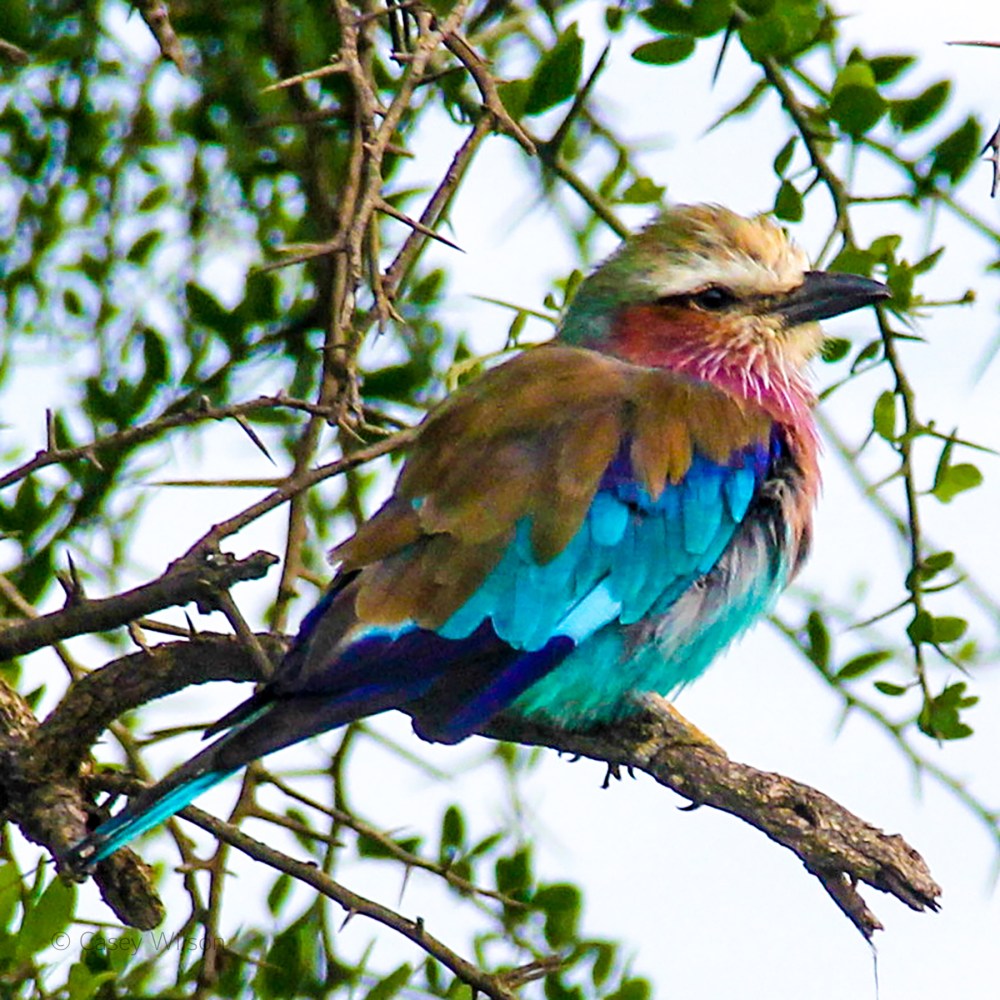
Lilac-breasted Roller
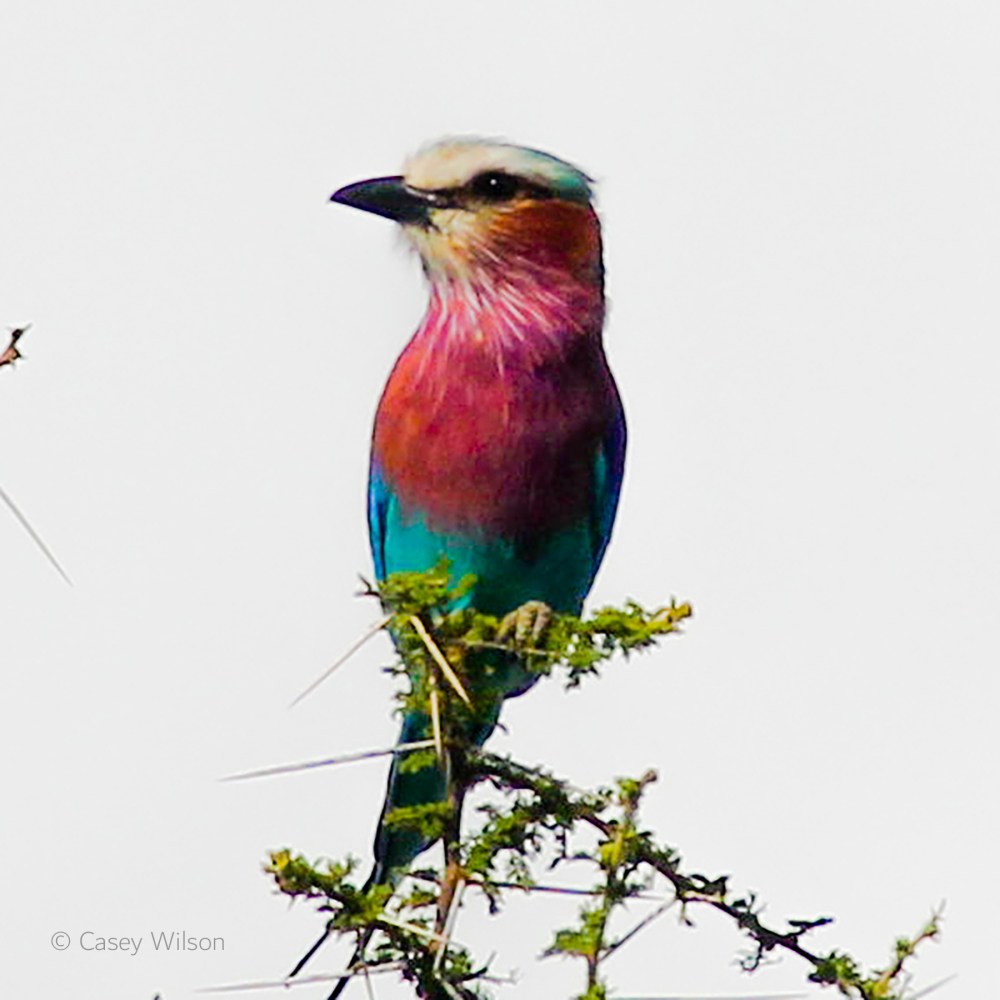
Lilac-breasted Roller
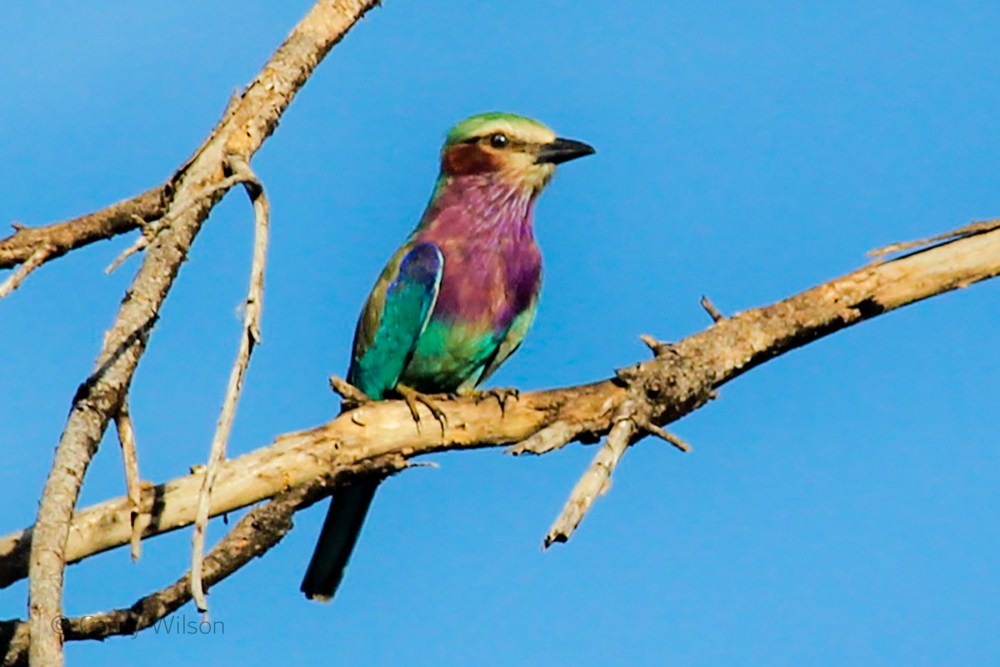
Lilac-breasted Roller
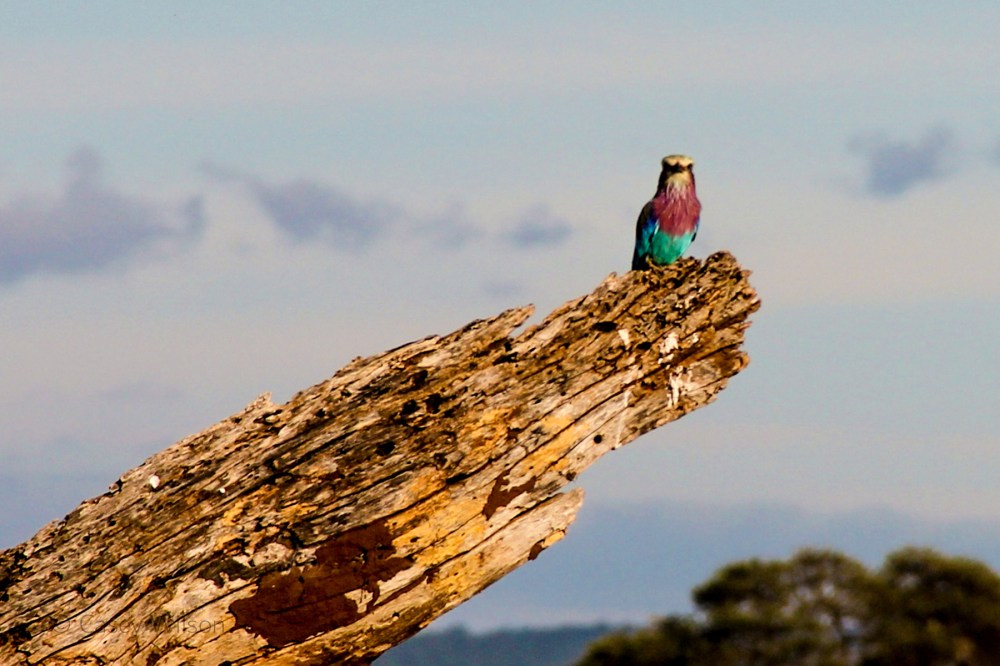
Lilac-breasted Roller
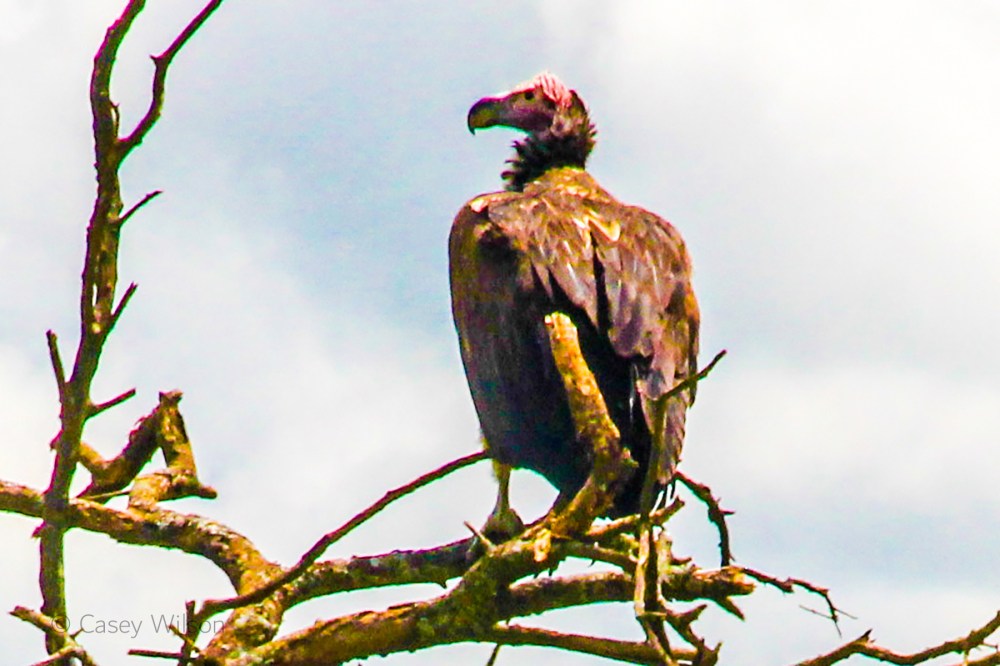
Lappet-faced Vulture
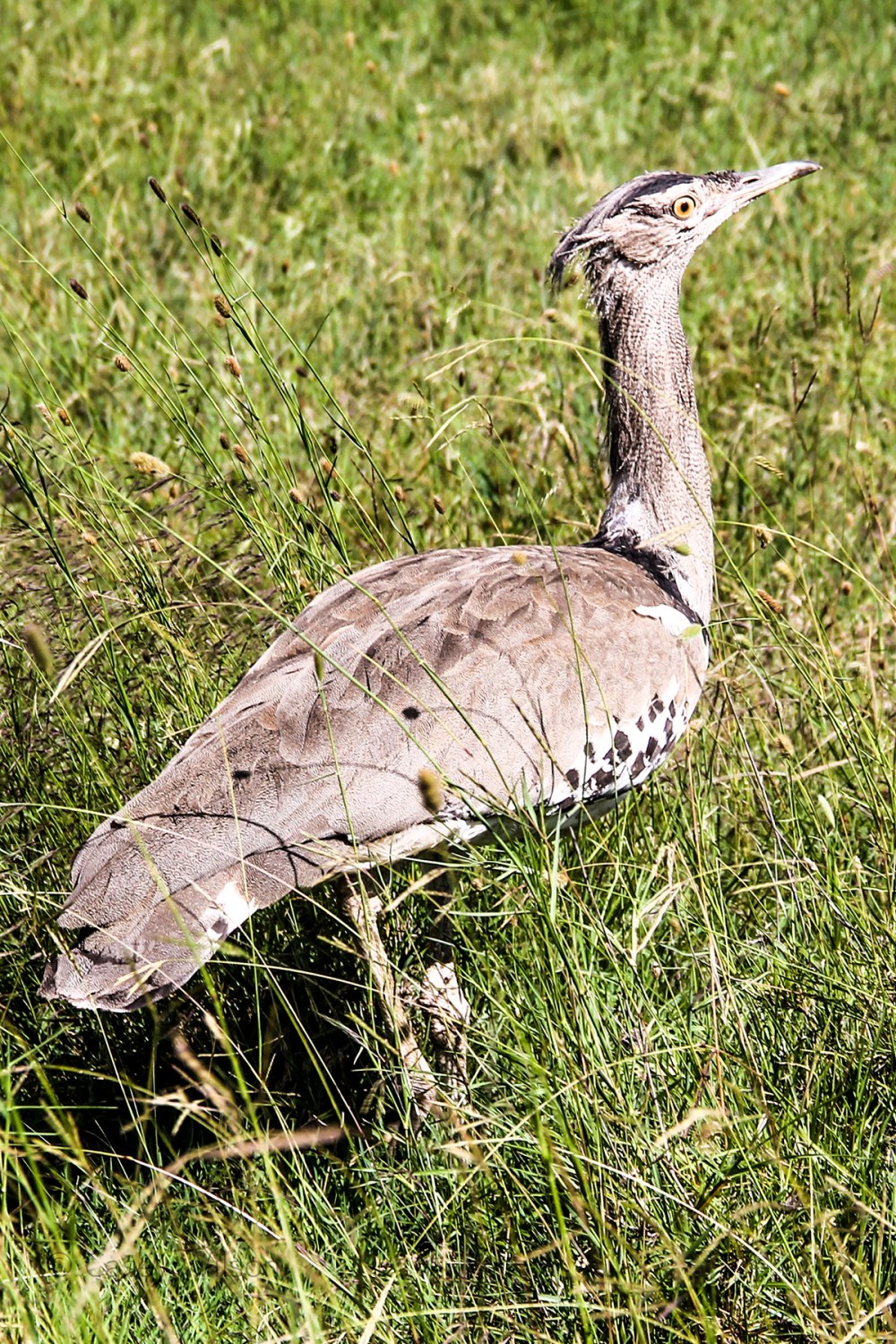
Kori Bustard
The Kori Bustard has the reputation of being the largest, heaviest bird capable of flight — weighing in at 30+ pounds.
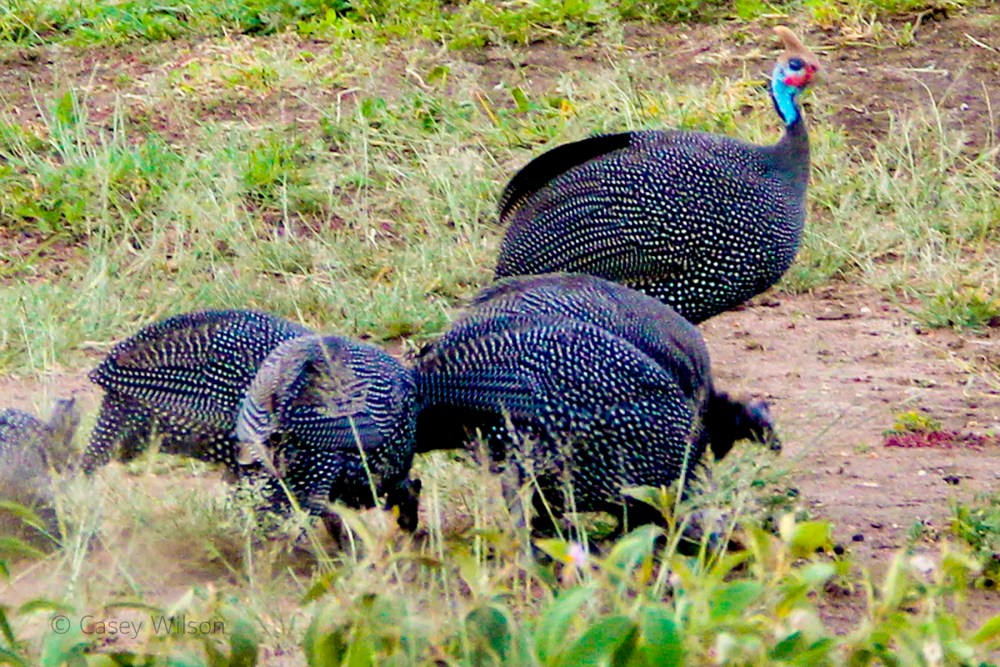
Helmeted Guinea Fowl
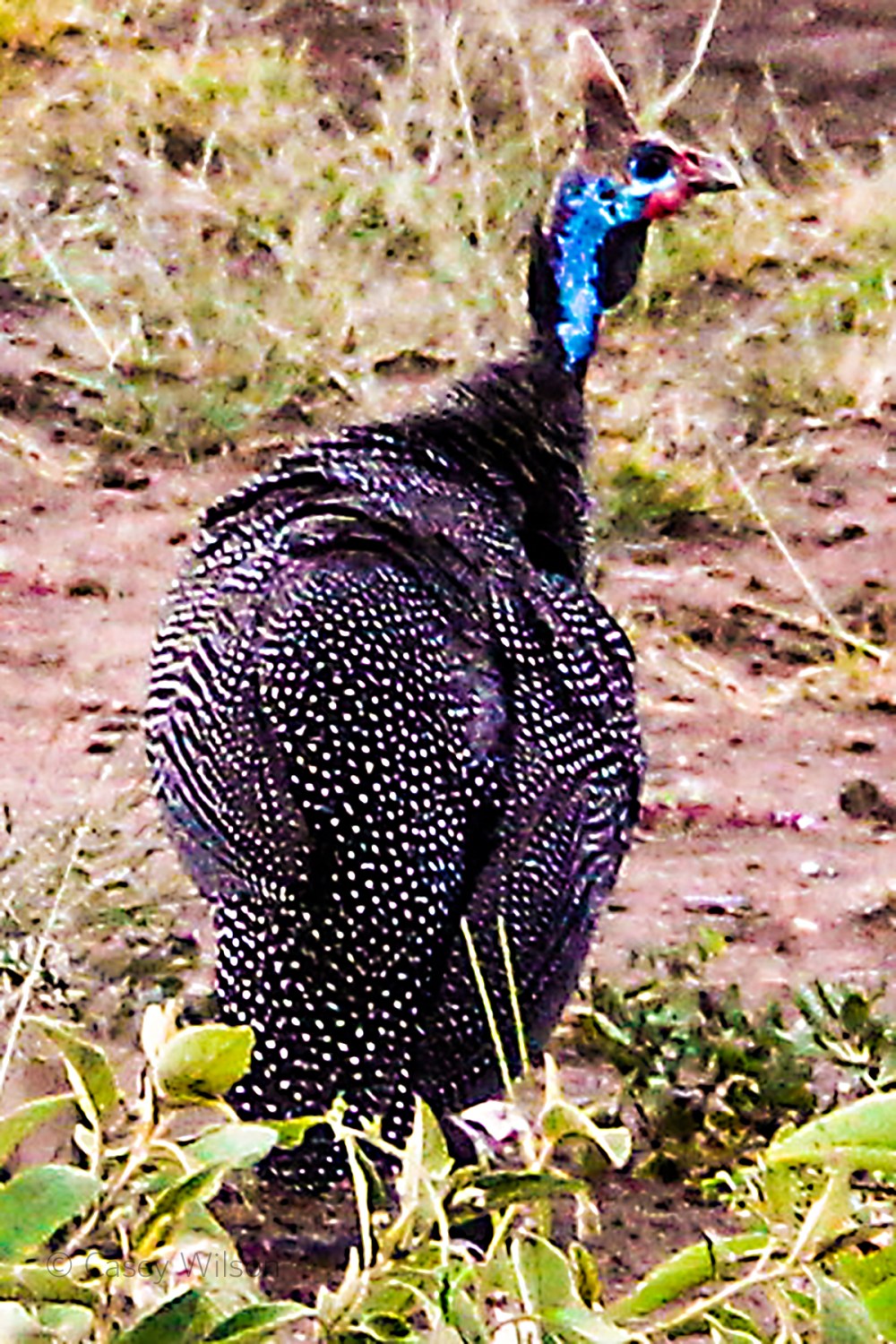
Helmeted Guinea Fowl
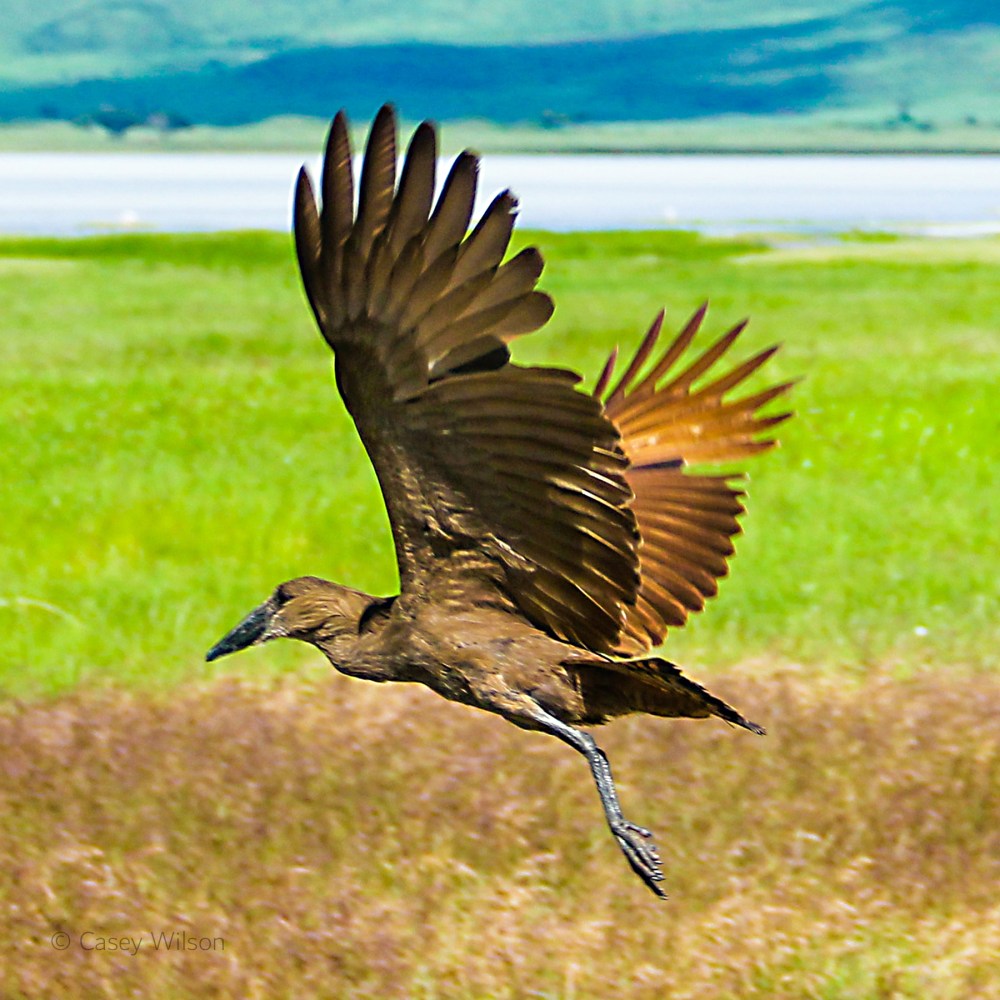
Hamerkop
Less than half the size of the Kori Bustard, the Hamerop has the reputation of building a nest twice the size of the Bustard.
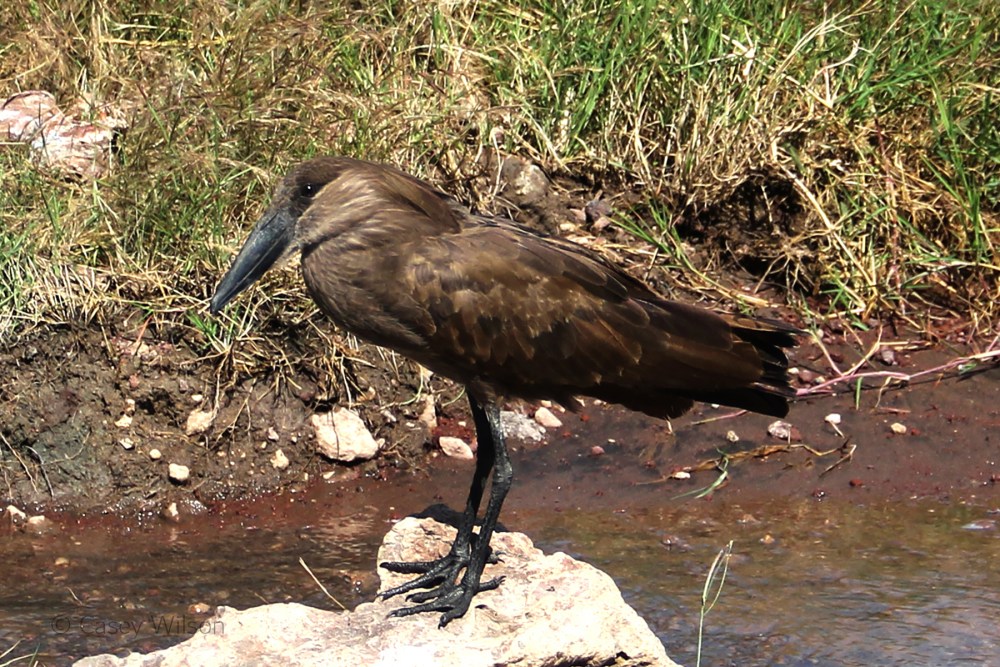
Hamerkop
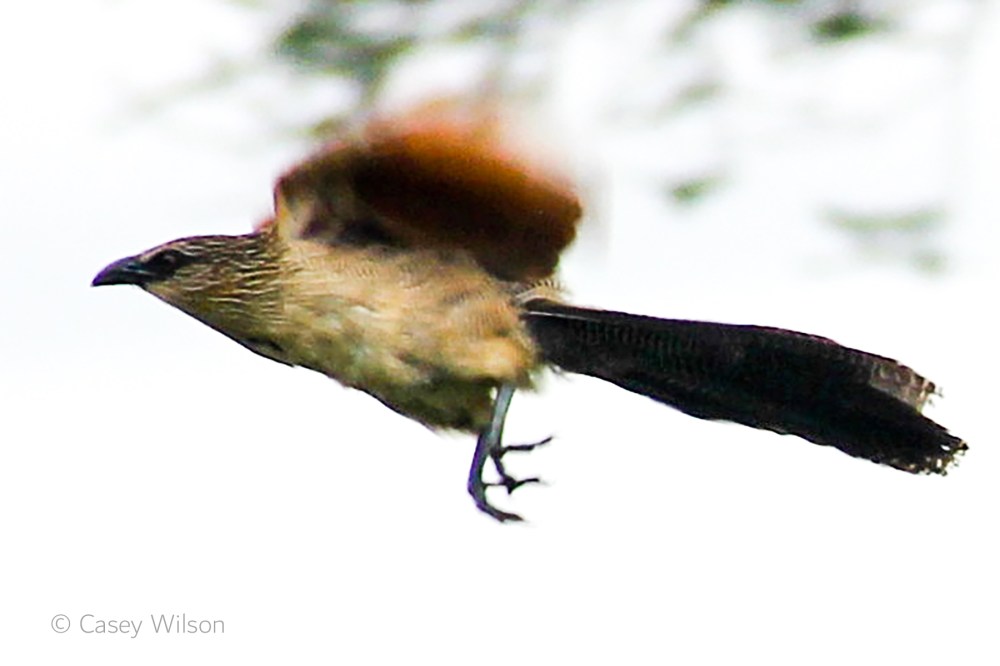
Grey-headed Sparrow
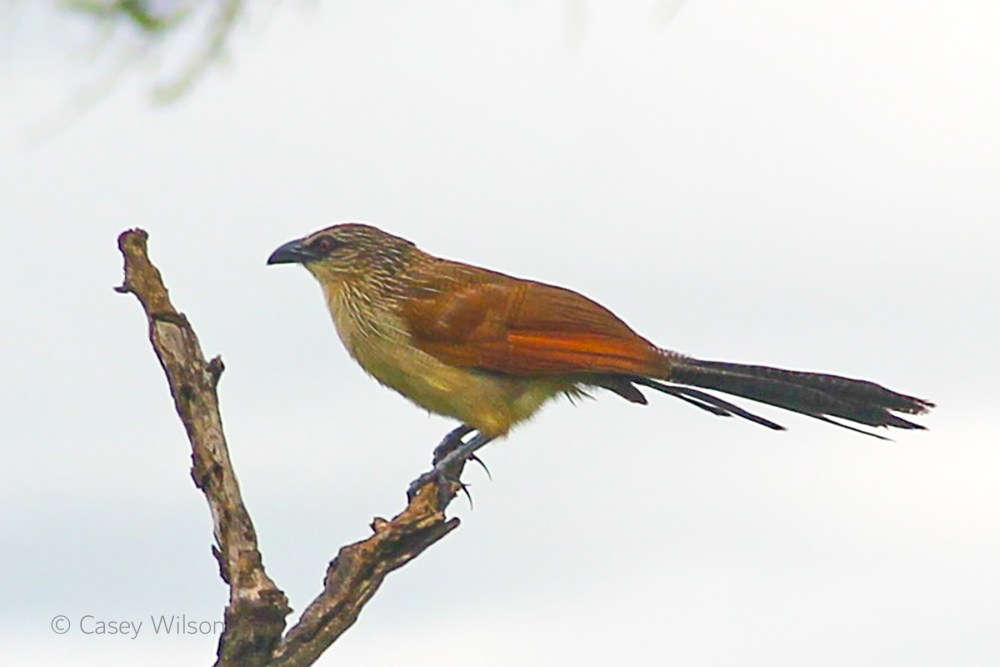
Grey-headed Sparrow
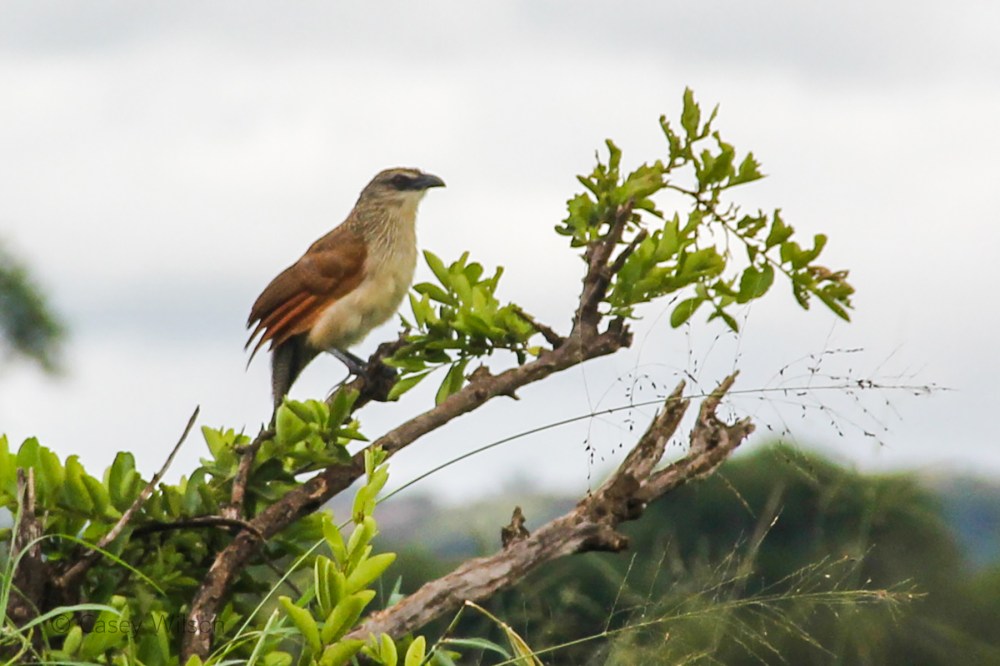
Grey-headed Sparrow
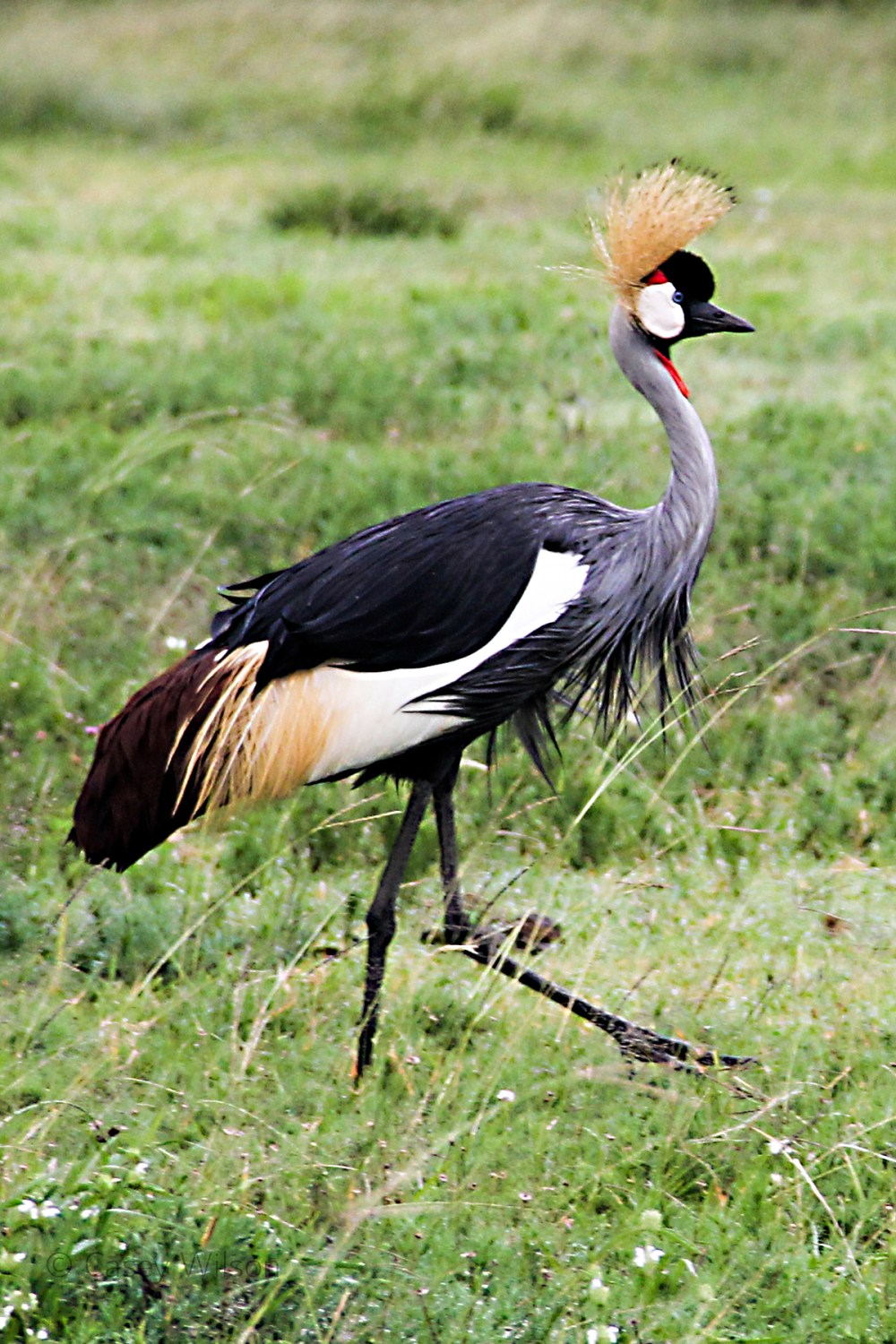
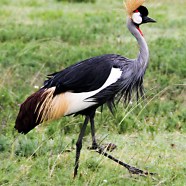
Grey-crowned Crane
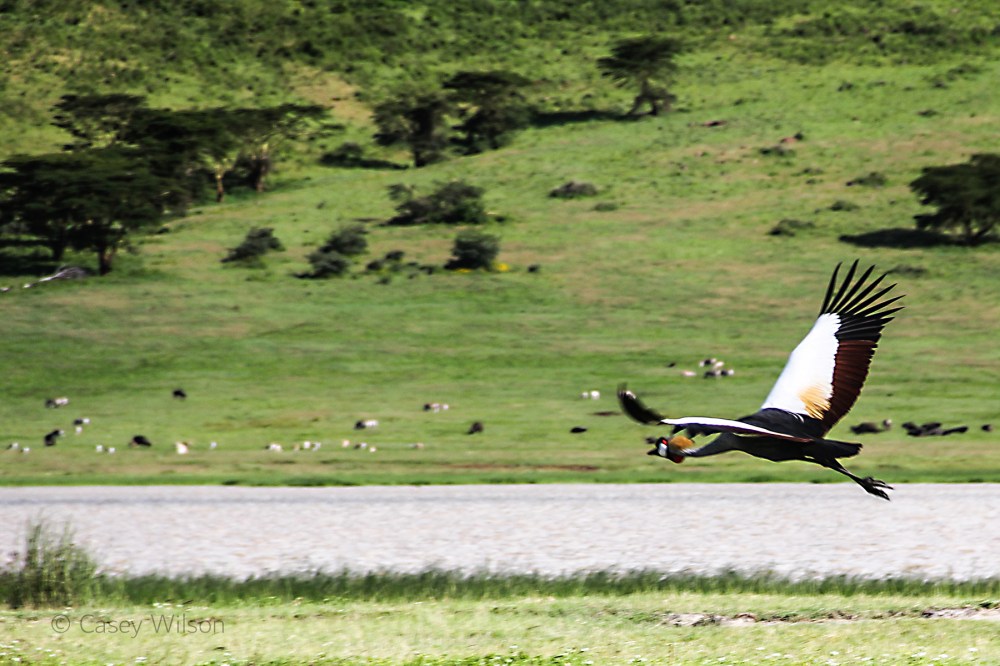
Grey-crowned Crane
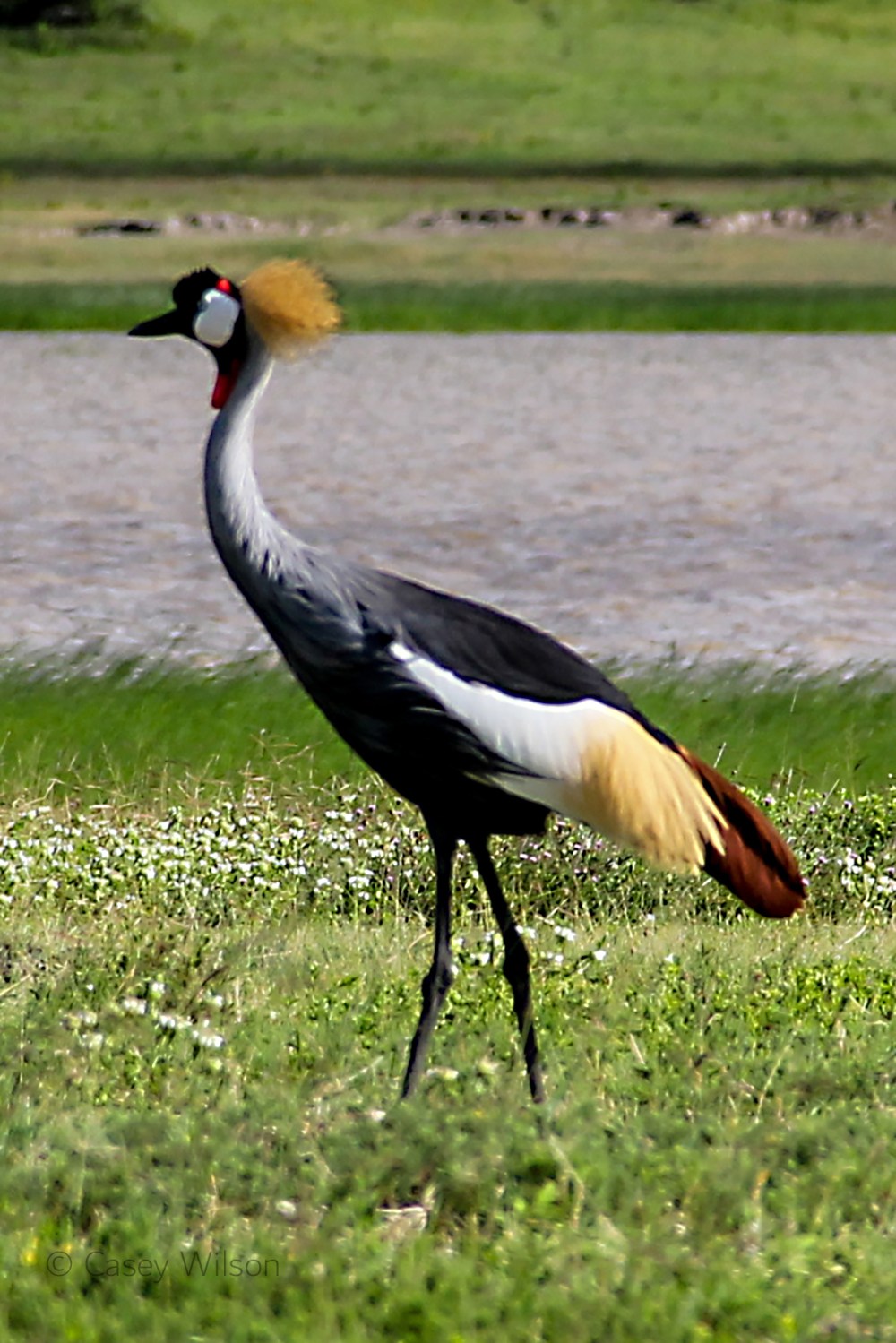
Grey-crowned Crane
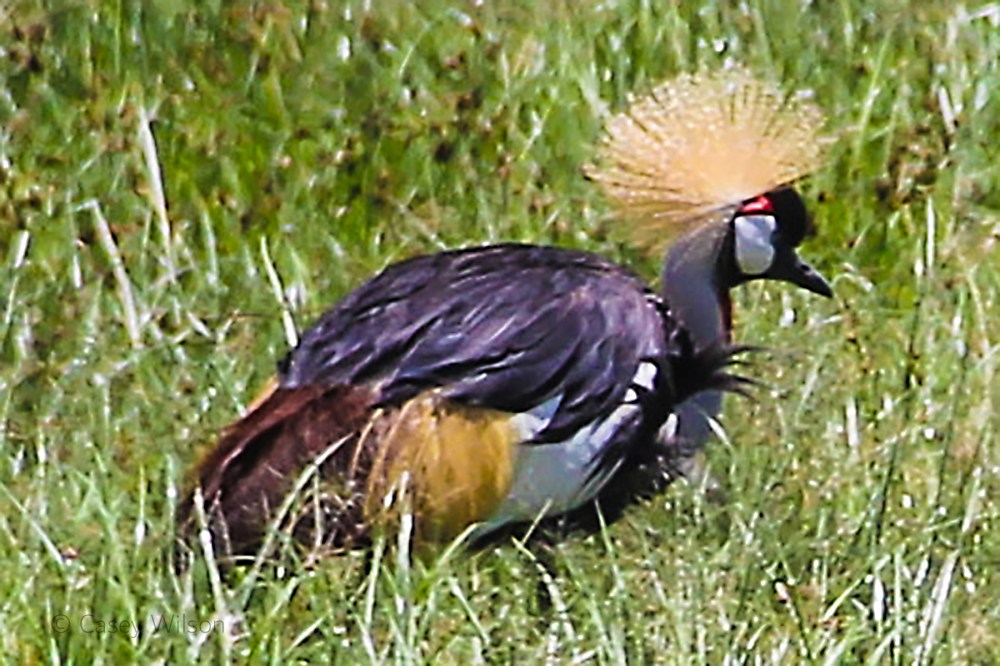
Grey-crowned Crane
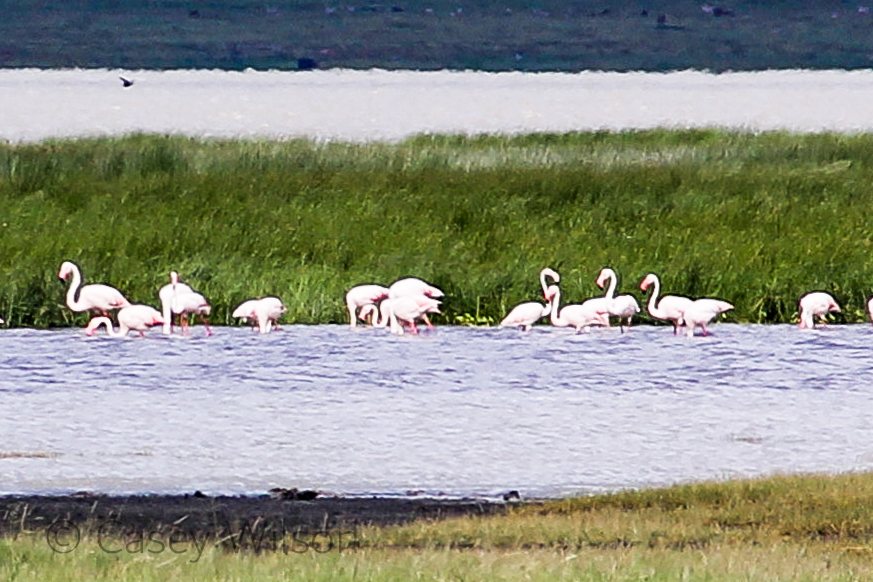
Greater Flamingos
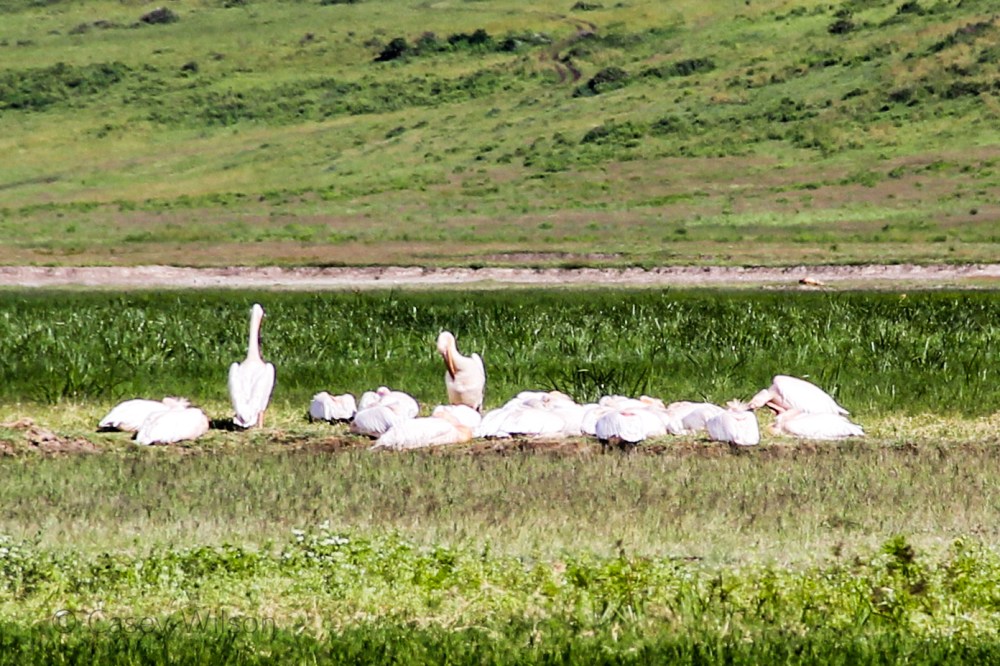
Great White Pelicans
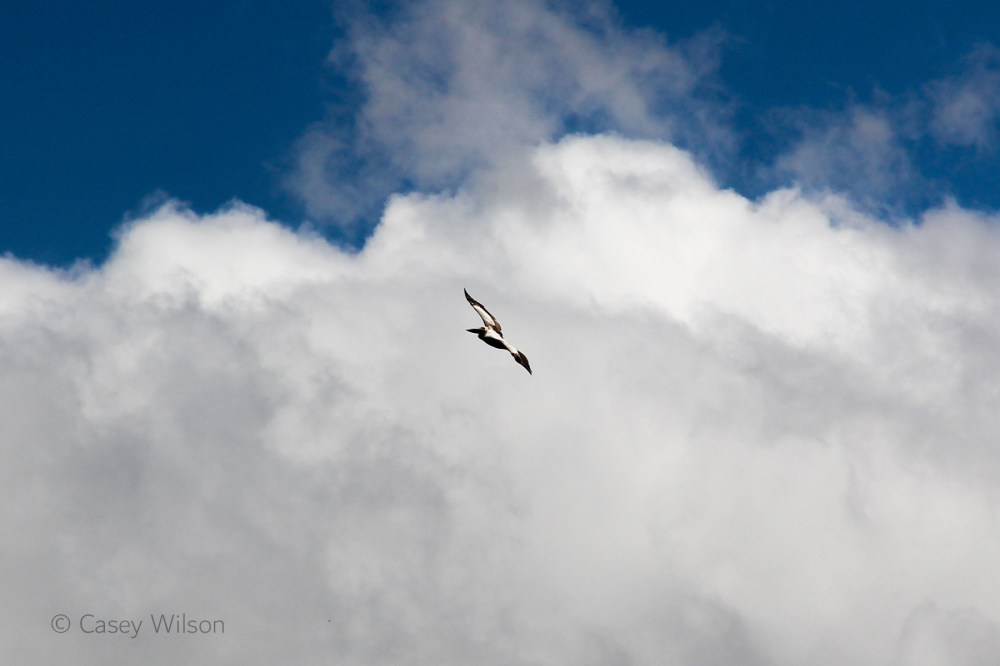
Great White Pelican
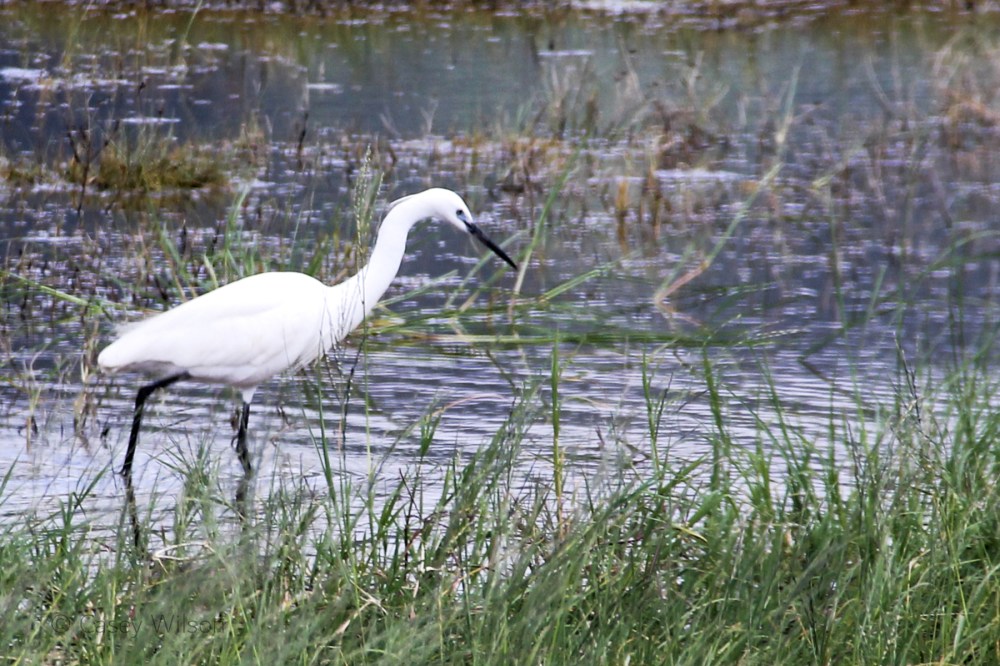
Great White Egret
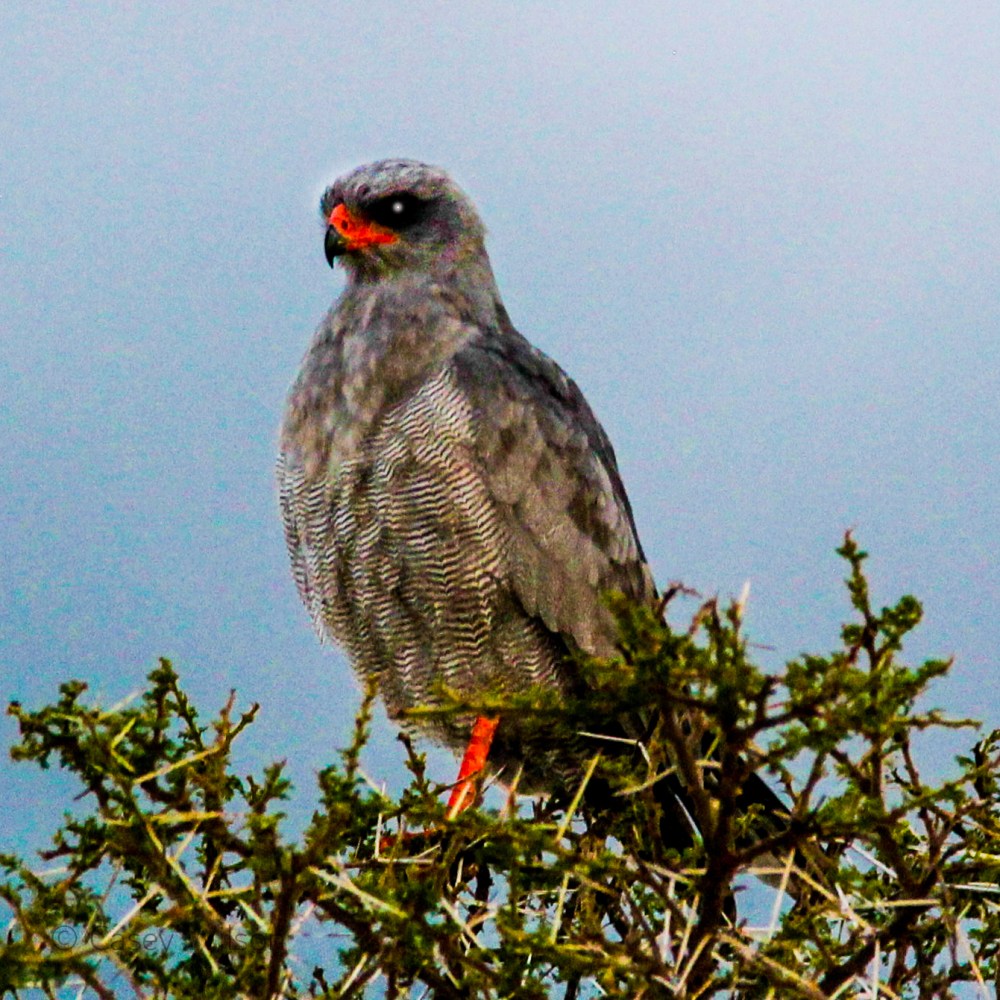
Gabar Goshawk
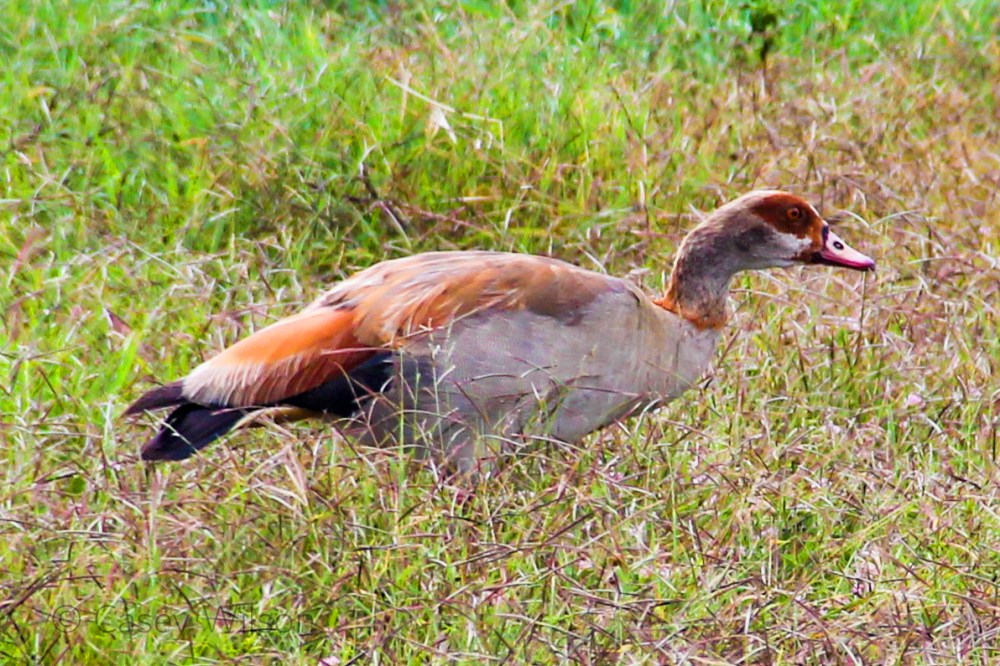
Egyptian Goose
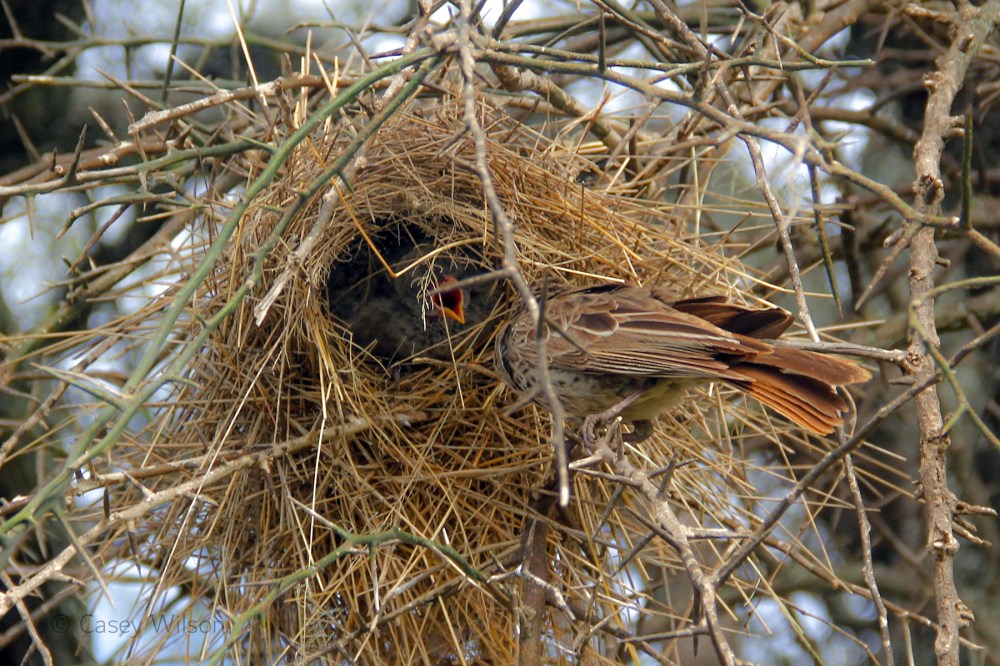
Chestnut Weaver
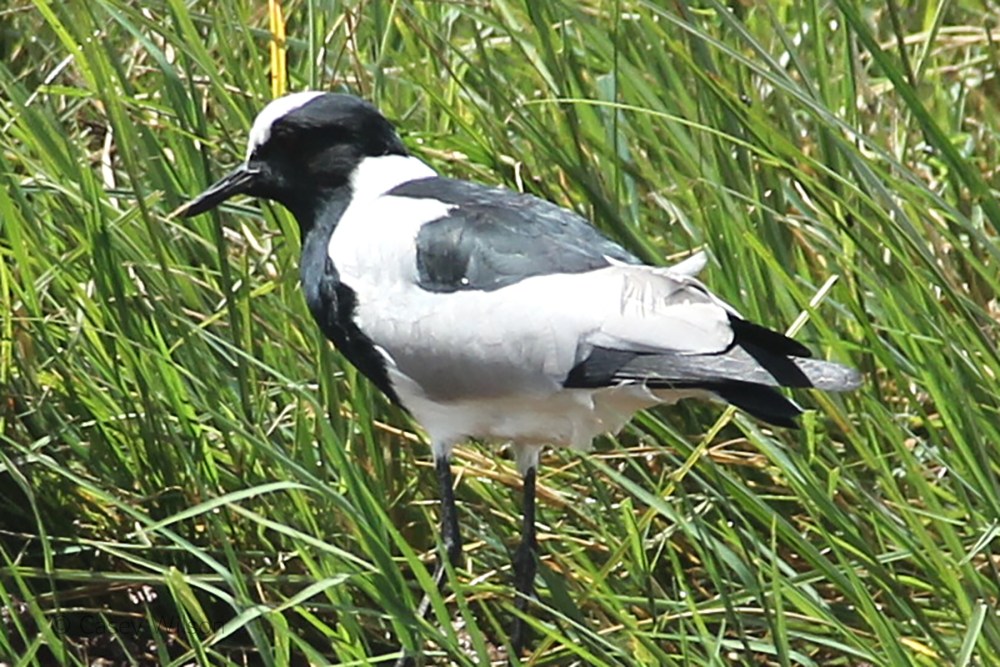
Blacksmith Lapwing Plover
I hope you enjoyed my presentation of pictures of a tiny few of the 1,400+ birds that range through East Africa. If you’re thoinking of putting a trip like this on your bucket list…, take my advice and don’t — just go and do it.
 A Freelance Writer's Blog